
Political Figures Question Efficacy of Iran Agreement
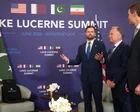
Donald Trump's recent provisional deal with Iran has sparked bipartisan criticism, with political figures from across the spectrum voicing their objections. This comes amidst a complex backdrop where the US president has threatened renewed attacks on Iran if it fails to control its proxy in Lebanon, while Vice-President JD Vance has lauded progress made during the initial round of direct peace talks held in Switzerland.
Sanctions Evasion Raises Questions About US Economic Strategy
Among the critics is Senator John Cornyn, a Republican from Texas, who recently shared a passage from a Wall Street Journal article on X. The excerpt highlighted how certain regimes manage to circumvent US economic sanctions. It stated, “Iran’s ability to withstand sanctions so far exposes a hard fact for Washington: economic pressure has largely failed to cow rogue regimes, as they game out more ways to sidestep US restrictions.” This sentiment underscores a broader debate regarding the effectiveness of economic pressure as a primary tool in US foreign policy, particularly when dealing with nations like Iran.
The divergent approaches within the administration—threatening military action while pursuing diplomatic talks and facing skepticism over the provisional deal—illustrate the multifaceted challenges in US-Iran relations. The criticisms from both sides of the political aisle suggest a lack of consensus on the current strategy and its potential long-term implications.
Source: Original Article