
Federal Investment Boosts Indoor Air Quality Innovation
In the wake of the recent global pandemic, the United States federal government has committed significant resources to enhance indoor air quality, allocating $150 million towards the development of novel technologies. This substantial investment aims to foster environments capable of actively neutralizing airborne pathogens, effectively creating 'immune systems' within buildings.
The Quest for Healthier Indoor Spaces
The initiative is driving scientists and engineers to explore a range of innovative solutions. The primary goal is to minimize the transmission of airborne diseases, including viruses and bacteria, within enclosed spaces where people spend a significant portion of their lives. Researchers are focusing on various approaches, moving beyond traditional ventilation systems to more proactive and dynamic air purification methods.
Emerging Technologies Under Development
- Advanced Filtration Systems: Efforts include the creation of next-generation filters capable of capturing even smaller particles and pathogens than current HEPA standards.
- UV-C Light Integration: Scientists are exploring safe and effective ways to incorporate germicidal ultraviolet-C (UV-C) light into HVAC systems and even occupied spaces, ensuring continuous disinfection without human exposure.
- Bipolar Ionization and Plasma Technology: Research is ongoing into systems that generate charged ions or plasma to neutralize airborne contaminants, breaking down their molecular structure.
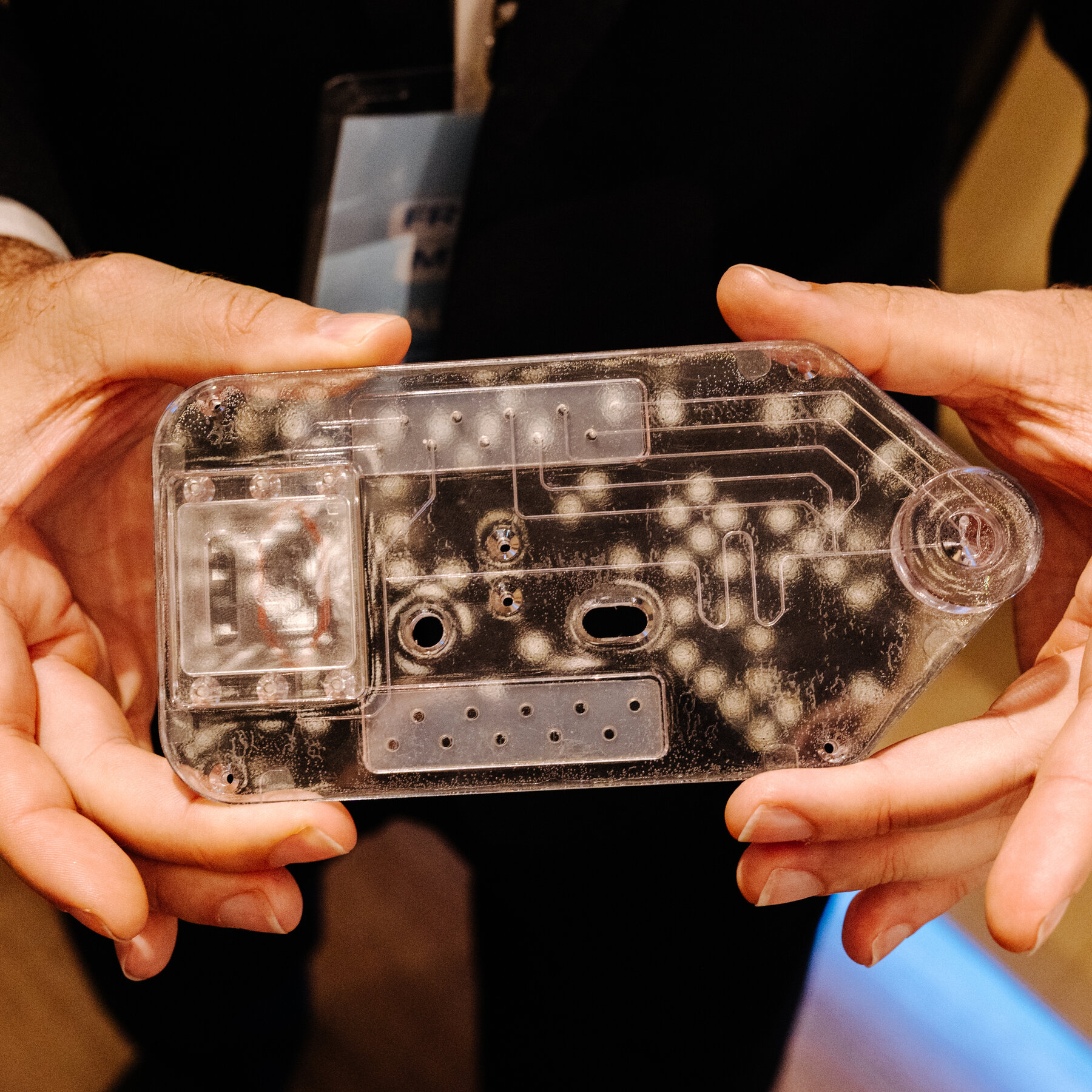
- Smart Sensing and Control: Development of intelligent systems that can monitor air quality in real-time, detecting the presence of pathogens and automatically adjusting purification methods.
- Antimicrobial Surfaces: Investigation into materials and coatings that can be applied to surfaces to prevent the growth and spread of microbes, reducing indirect transmission.
These diverse technological pursuits collectively aim to transform indoor environments, making them more resilient against future airborne health threats and ensuring safer, healthier spaces for occupants.
Source: Buildings May Soon Have ‘Immune Systems’ That Fight Airborne Disease