
French Housing Unprepared for Extreme Heat
As France experiences record-breaking temperatures, a significant challenge has emerged concerning the country's housing stock, much of which was not constructed with hot weather in mind. This issue is particularly acute in low-income housing developments, where residents are struggling to cope with increasingly frequent heatwaves.
Vulnerable Residents Face Severe Conditions
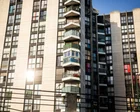
Samira, a 35-year-old single parent residing in a seventh-floor apartment on a concrete estate south of Paris, described her living situation as desperate during a recent heatwave. She recounted feeling overwhelmed and on the verge of collapse. Her flat in Ris-Orangis, Essonne, like millions across France, suffers from inadequate insulation and a lack of external window shutters, making it a 'heat-trap'.
She explained, "Blazing sun hits my windows all day – I can't breathe, I feel dizzy, there is no air." This highlights a growing concern about climate inequality, where socio-economic status often dictates the quality of housing and, consequently, the ability to withstand environmental challenges like extreme heat.
The Broader Impact of Unsuitable Architecture
The design shortcomings of many French buildings, which are optimized for colder climates, are becoming increasingly problematic with the advent of more intense and prolonged heatwaves. This architectural vulnerability disproportionately affects those in less affluent areas, who often live in older, poorly maintained structures. The absence of proper thermal regulation and cooling features in these homes exacerbates health risks, including heatstroke and dehydration, for vulnerable populations such as the elderly, young children, and individuals with pre-existing health conditions.
Addressing this issue will require significant investment in retrofitting existing buildings to improve their resilience to heat, alongside the development of new housing standards that account for the changing climate. Without such interventions, the gap in climate preparedness and quality of life between different socio-economic groups is likely to widen further.
Source: Original Article