
Overview of the US-Iran Memorandum of Understanding
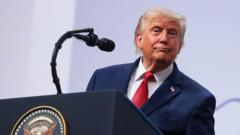
The Trump administration has presented the comprehensive text of a Memorandum of Understanding (MoU) between the United States and Iran. This agreement seeks to prolong the existing ceasefire, ensure the reopening of the Strait of Hormuz, and ultimately bring an end to the four-month conflict between the two nations. Described as "performance-based," the 14-point accord stipulates that Iran will receive benefits contingent on its adherence to the outlined commitments. President Donald Trump, speaking at the G7 summit in France, indicated that the formal signing of the deal is imminent, possibly as early as June 18.
Core Elements of the Agreement
- Cessation of Hostilities: The initial point mandates an "immediate and permanent" halt to military operations by the US, Iran, and their allies on "all fronts," specifically including Lebanon. This addresses US concerns about Israeli military actions against Hezbollah potentially undermining the agreement, and Iran's insistence on Lebanon's inclusion in the truce. Both parties commit to refraining from future military actions or threats, and to upholding Lebanon's territorial integrity and sovereignty.
- Mutual Respect for Sovereignty: The document emphasizes that both the US and Iran will "respect each other's sovereignty and territorial integrity" and avoid interfering in each other's domestic affairs. This particular clause may face criticism from Iranian dissident groups, given previous US statements of support for anti-government protesters in Iran.
- Negotiation Timeline: A 60-day period, extendable by mutual consent, is allocated for negotiating and finalizing a comprehensive deal. This countdown is expected to commence upon the official signing of the MoU, possibly during a ceremony in Geneva.
- Lifting of US Blockade: Upon the signing of the MoU, the US commits to initiating the removal of its naval blockade and any other impediments affecting Iranian ports. The full termination of the blockade is slated to occur within 30 days. Simultaneously, Iran is expected to restore traffic in the Strait of Hormuz proportionally. Within 30 days of a final deal, US forces will withdraw from the "proximity of Iran," returning to their pre-February 28 deployment.
- Strait of Hormuz Reopening: Iran has agreed to facilitate the safe and free passage of commercial vessels through the Strait of Hormuz immediately after the MoU is signed. This includes addressing technical and military obstacles and conducting de-mining operations. Longer-term, Iran is to collaborate with Oman and other Gulf states to establish a broader management agreement for the strait, with the US anticipating that Gulf nations will reject any future toll system.
- Iran Reconstruction Fund: The agreement outlines a plan for the US and regional partners to develop a "definitive, mutually agreed plan" for Iran's reconstruction and economic development, valued at a minimum of $300 billion (£224 billion). While the US will facilitate licenses and permissions, it is not obligated to contribute financially. The final mechanism for this fund will be decided within 60 days of the overall deal.
- Sanctions Relief: The US will terminate all economic sanctions against Iran, including those imposed by the UN Security Council and unilaterally by the US. The specific timeline for this relief will be determined in the final deal, with both sides intending to address it "immediately" in subsequent negotiations.
- Nuclear Non-Proliferation: Iran has committed to not acquiring or developing nuclear weapons. The agreement also addresses Iran's existing enriched uranium, stipulating that it will be "downblended" under the supervision of the International Atomic Energy Agency (IAEA) as a minimum standard, with the precise mechanism to be mutually agreed upon. This is considered a significant achievement for the US.
- Interim Nuclear Status Quo: Until the enriched uranium is managed, the US and Iran agree to maintain a "status quo" regarding Iran's nuclear program. This implies no new US sanctions and the issuance of waivers for the export of Iranian oil, petroleum products, and related services like banking and transportation.
- Release of Frozen Funds: A crucial point in negotiations, the MoU states that the US "undertakes to make fully available frozen or restricted funds" once the MoU is signed, with procedures to be agreed upon during subsequent talks. Some assets are expected to be released as post-MoU discussions progress and Iran complies with initial aspects of the agreement.
- Monitoring and Final Negotiations: The final points establish a mechanism for monitoring the MoU's implementation and compliance with a future deal. Following the MoU's signing and initial implementation, the US and Iran will commence negotiations for a final agreement. This final deal will then be endorsed by a binding UN Security Council resolution.
Source: What's in the US-Iran agreement?