
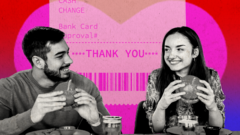
The Enduring Debate: First Date Payment Etiquette
Few social scenarios spark as much discussion as the question of financial responsibility on a first date. Opinions are diverse, ranging from strict equal splitting to expectations based on who initiated the outing, while traditional gender roles still influence many perspectives.
With the rising cost of living, even casual dates can become substantial expenses. Research from Barclays in 2025 indicates that UK adults spend over £111 monthly on dates and dating apps, totaling more than £1,300 annually. This financial burden is particularly impactful for younger generations, with over half of Gen Z adults reporting that dating costs affect their ability to pursue romantic interests.
Varying Expectations and Experiences
Jennifer Read-Dominguez, a single digital editor, believes the person who extends the invitation for a first date should be prepared to pay. For her, it's not about dependence but about appreciating effort and maintaining certain traditional courtesies in modern dating. She values a man who plans a date and takes care of the bill, viewing it as a gesture rather than an outdated custom. Jennifer emphasizes that the thought behind the gesture matters more than the amount spent, and she would be content with a date within a partner's means, whether a fast-food meal or a high-end dinner.
However, not all experiences are positive. Jennifer recounted a date where her companion chose an expensive restaurant, complained about the cost, and then his card declined, leaving her to pay the entire bill. Despite his promise to reimburse her, he never did, leaving her feeling exploited.
Similarly, London-based content creator Yasmin El-Saie finds it off-putting if a man expects to split the bill on a first date. She views a man paying as a sign of care and comfort, acknowledging it might be a double standard influenced by her upbringing. Yasmin clarifies that this expectation doesn't extend to the entire evening; she is happy to contribute if the date moves to a second location, such as paying for drinks after dinner.
Yasmin has also encountered memorable, less-than-ideal date scenarios. One involved a recently divorced man at a buffet who meticulously separated his food sticks to ensure financial distinctions. Another date saw a man, driving a Porsche, rush her to a restaurant to take advantage of an early-bird special, even hiding the à la carte menu upon arrival.
Communication and Budgeting
Jamie Rutter, a 32-year-old finance professional, stresses the importance of clear communication over rigid rules, especially as a queer person where traditional expectations may be less defined. His approach is straightforward: if he asks someone out, he expects to pay; if he's asked out, he anticipates splitting the bill. Jamie has become more financially conscious and is upfront about his budget, suggesting alternative venues if an expensive option is proposed.
Jamie often prefers simpler first dates like coffee and a walk, finding them more conducive to getting to know someone than a formal dinner. He fondly remembers a date where a man arranged a three-course picnic prepared by a restaurant, with everything paid for in advance, eliminating any bill-related discussion. While he has spent considerable amounts on dates that didn't lead anywhere, he always offers to split the bill, regardless of whether he wishes to see the person again.
Source: 'He hid the a la carte menu': Who should pay on the first date