
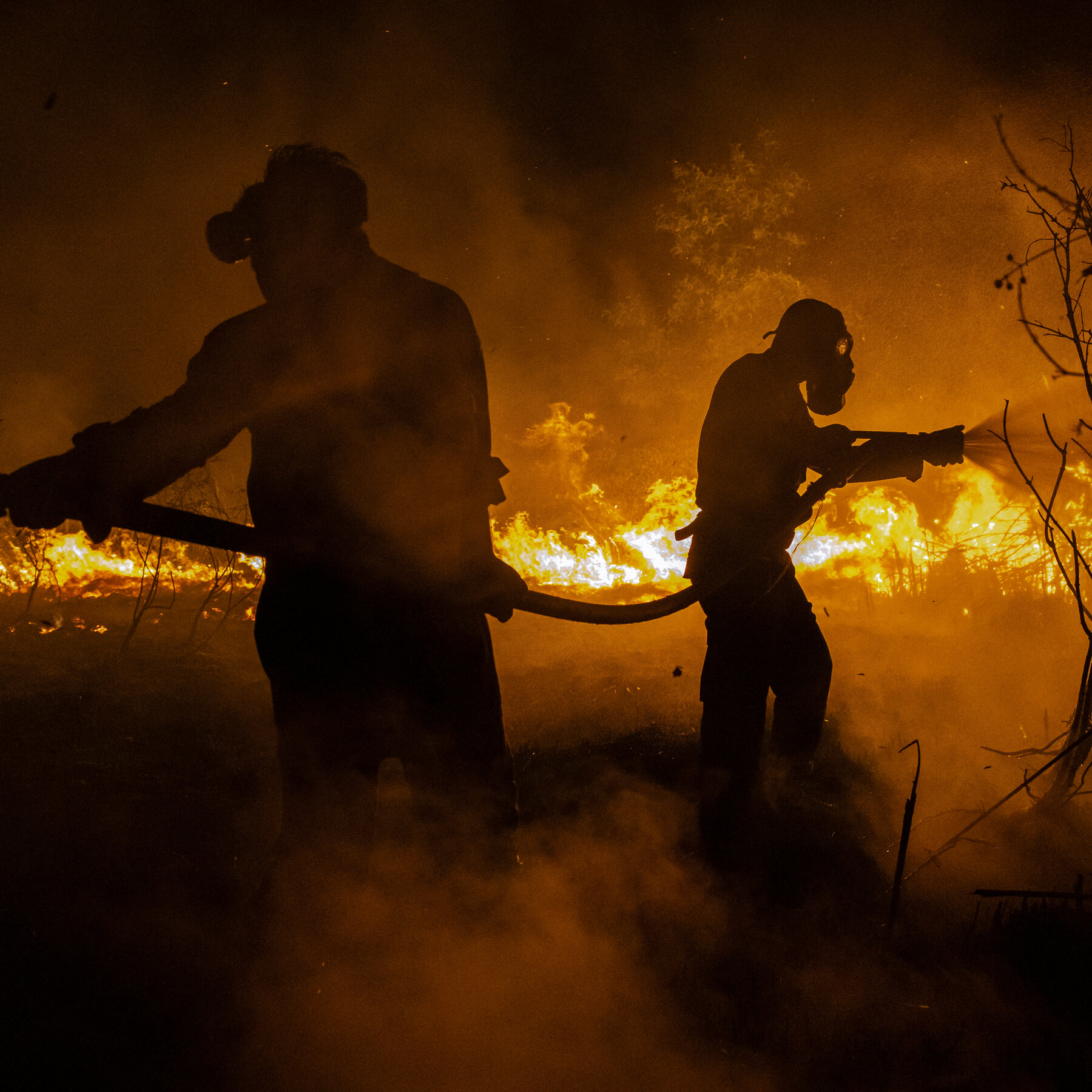
El Niño's Potentially Record-Breaking Return Sparks Scientific Debate
As the world observes the onset of a new El Niño cycle, which some anticipate could reach unprecedented intensity, the scientific community finds itself divided. The central question under discussion is whether anthropogenic climate change is playing a role in augmenting the power and frequency of these natural climatic phenomena.
The El Niño Phenomenon
El Niño is a recurring climate pattern characterized by the warming of ocean surface temperatures in the central and eastern tropical Pacific Ocean. This warming can significantly impact global weather patterns, leading to a variety of effects such as altered rainfall, temperature shifts, and extreme weather events across different regions of the world.
The Climate Change Connection: A Point of Contention
While the occurrence of El Niño itself is a natural part of Earth's climate system, the ongoing debate focuses on whether human-induced global warming is 'supercharging' these events. Some researchers hypothesize that increased global temperatures could lead to more extreme El Niños, potentially resulting in more severe and widespread impacts. They point to various climate models and observational data that suggest a possible link between a warmer planet and intensified El Niño events.
Conversely, other scientists argue that there isn't yet conclusive evidence to definitively link climate change to an increase in El Niño's intensity. They emphasize the complex, multidecadal variability inherent in the Pacific Ocean system and suggest that current observations might fall within the range of natural variability. These researchers advocate for more long-term data and further sophisticated modeling to isolate the specific influence of climate change from natural fluctuations.
Implications for Future Climate Predictions
The resolution of this scientific debate holds significant implications for future climate predictions and adaptation strategies. If climate change is indeed intensifying El Niño, it could mean more frequent or severe weather disruptions globally, affecting agriculture, water resources, and disaster preparedness. Understanding this relationship is crucial for policymakers and communities worldwide to better prepare for future climatic challenges.