
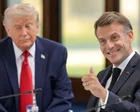
President Trump Backs Iran Deal Amidst Republican Concerns
President Donald Trump has publicly endorsed a joint statement from G7 leaders that supports his proposed peace agreement with Iran. This comes as the administration faces increasing scrutiny and criticism from certain domestic factions regarding its Iran policy, which some argue has not achieved its initial goals.
Domestic Opposition and Unanswered Questions
The proposed deal, anticipated to be finalized later in the week, has prompted various Republican senators to voice their concerns. Many have highlighted the need for comprehensive briefings and clarification on specific details before the agreement is concluded. Senator Lindsey Graham, a prominent ally of President Trump and a long-standing advocate for a firm stance on Iran, commented on the differing interpretations of the deal. He stated, “The way Iran describes it, it’s awful. The way we describe it, it makes sense to me. Let’s look at it and see what it actually is.”
Iranian Public Sentiment and US-Israeli Relations
In Iran, reports indicate a widespread feeling of weariness and frustration among the populace, with many perceiving little tangible change despite ongoing negotiations. Meanwhile, the agreement's implications for the relationship between the United States and Israel appear to suggest a divergence in strategic interests. Israeli Prime Minister Benjamin Netanyahu faces a complex political situation, heading into an election after leading Israel through conflicts in Gaza, Lebanon, and Iran without clear decisive victories.
Protest Crackdown in Minnesota
In unrelated news, authorities in Minnesota have brought charges against fifteen individuals for alleged conspiracy to impede or injure federal officers. These charges stem from their involvement in protests earlier this year following a fatal immigration enforcement operation in the state. Prosecutors claim the defendants are associated with two “antifa” groups based in Minneapolis, which are described as being in “violent opposition to immigration law enforcement.”
Source: Original Article