
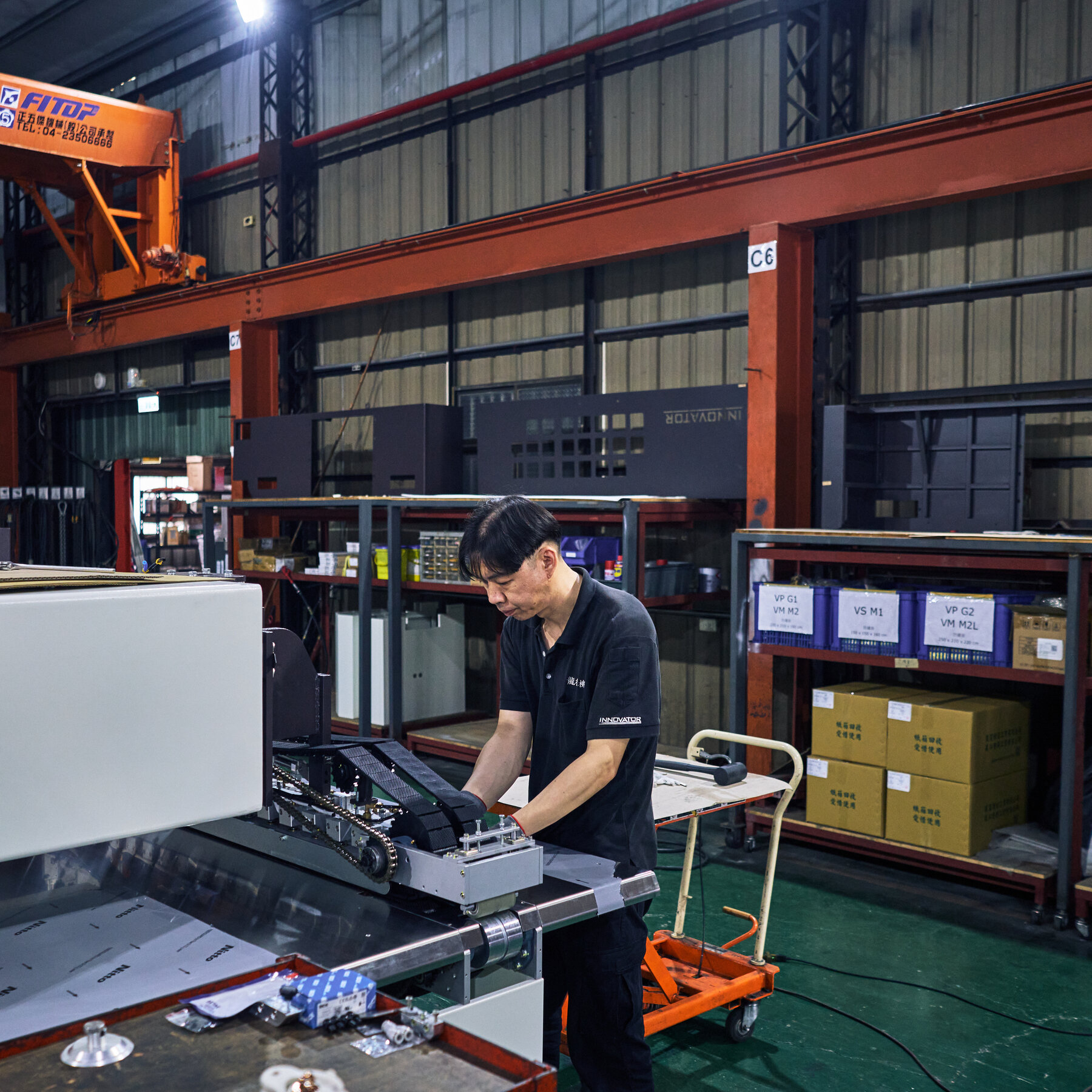
Economic Divide Emerges in Leading Chip Nations
The burgeoning global demand for artificial intelligence (AI) technologies is creating a significant economic divide within Asia's key chip-producing nations, South Korea and Taiwan. While the AI surge has led to substantial gains in their respective stock markets and a boom in technology exports, the economic benefits appear to be concentrated, leaving other sectors of their economies struggling to keep pace.
Concentrated Prosperity
Both South Korea and Taiwan are central to the global supply chain for advanced semiconductors, which are indispensable components for AI systems. This pivotal role has translated into impressive financial results for their leading tech companies, driving up stock valuations and bolstering export figures. However, this prosperity has not broadly permeated their economies.
Observers note that the wealth generated by the AI boom is largely confined to the high-tech sector, particularly those firms involved in chip manufacturing and related industries. This situation contrasts sharply with the performance of other economic segments, which are not witnessing the same level of growth or investment. Consequently, concerns are rising about the potential for increased economic inequality and a two-tiered economy in these technologically advanced nations.
The rapid expansion of the AI sector is undeniably a boon for national exports and stock performance, yet the challenge lies in ensuring this prosperity translates into broader economic well-being for all citizens and industries, not just a select few.
Challenges for Broader Economic Growth
The disparity highlights a potential vulnerability: an over-reliance on a single, albeit powerful, industry for economic growth. While the semiconductor industry is robust, the lack of spillover effects to other sectors, such as traditional manufacturing, retail, or services, could hinder overall economic resilience and balanced development.
Policymakers in both countries face the task of devising strategies to distribute the benefits of the AI-driven economic upswing more widely. This could involve initiatives to foster innovation in other industries, invest in workforce development for non-tech sectors, or implement policies aimed at mitigating the widening gap between the booming tech sector and the rest of the economy.
Source: A.I. Riches Fuel Economic Divide in Asia’s Chip Powerhouses