
Judicial Panel Rejects Requirement for Slavery Display
A three-judge appeals panel has invalidated a prior court ruling that had instructed the federal government to reinstall a specific memorial and historical presentation concerning slavery at the historic Philadelphia residence once owned by George Washington. This decision marks a significant development in the ongoing discussion about how historical sites should address complex aspects of their past.
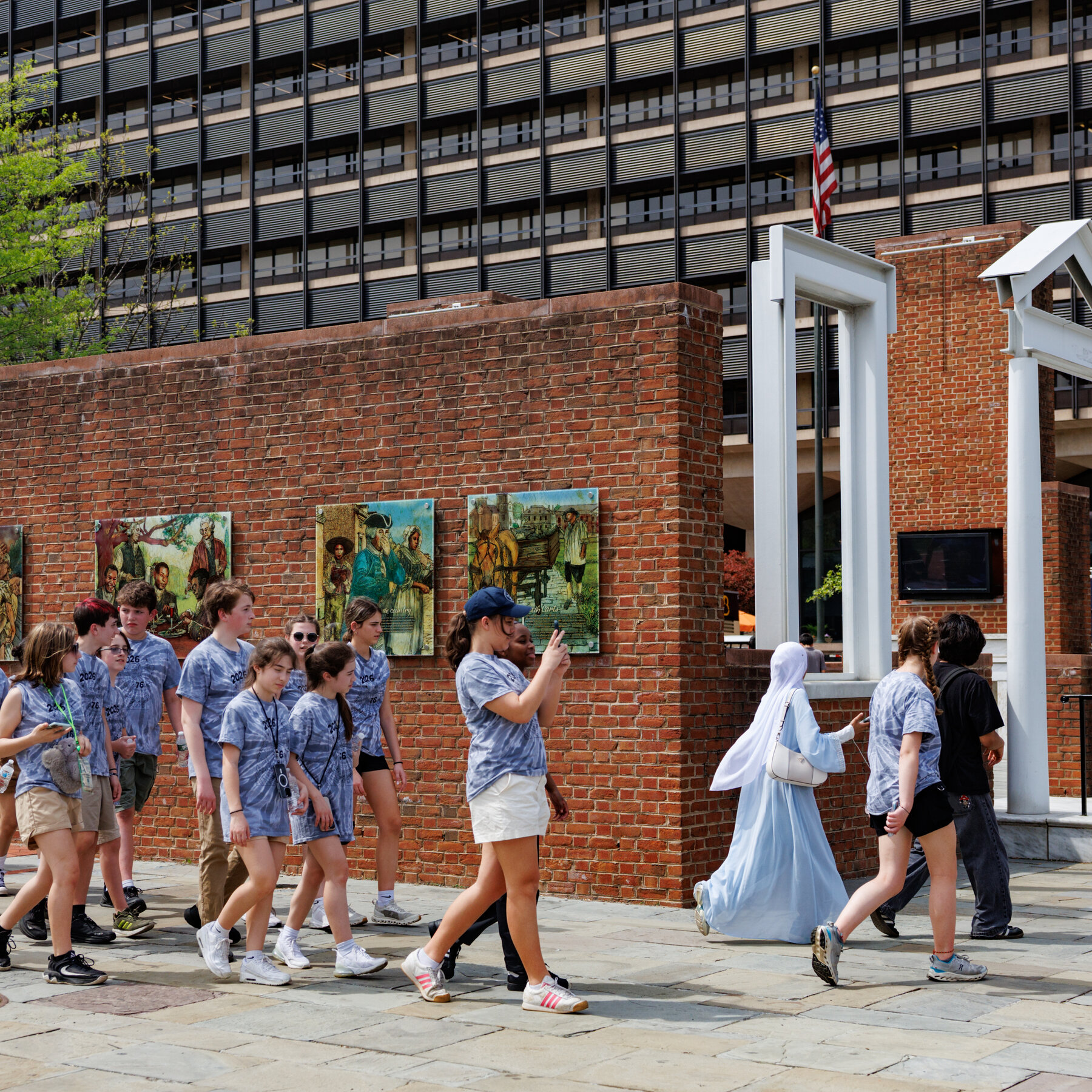
The controversy centers on the President's House site in Philadelphia, which served as the executive mansion for George Washington and John Adams. Historical records indicate that nine enslaved Africans were held by President Washington at this location. A memorial was established to acknowledge this fact, but its removal led to legal challenges.
Background of the Dispute
The initial lower court order had mandated the restoration of the memorial, aiming to ensure that the site's connection to slavery was prominently recognized. Proponents of the restoration argued that omitting this aspect of history would provide an incomplete and inaccurate depiction of the nation's founding era. They emphasized the importance of confronting the full historical narrative, including uncomfortable truths.
The appeals court's decision underscores the complexities involved in managing historical narratives at national heritage sites.
Conversely, those who opposed the mandate raised concerns about the scope of judicial authority in dictating the content of historical exhibits. The recent appeals court ruling suggests a reevaluation of whether a court can compel a governmental entity to maintain specific historical interpretations or displays.
Implications for Historical Interpretation
This ruling could have broader implications for how historical sites, particularly those managed by the federal government, approach the portrayal of challenging historical events. It highlights the tension between preserving historical accuracy, acknowledging difficult truths, and the discretion of site managers in curating educational content.
The decision does not necessarily prohibit the mention of slavery at the site but rather removes the legal compulsion for it. The future of the memorial and the way the site addresses the history of slavery will likely be subject to further discussion and potential administrative decisions.
Source: Original Article