
Apple Adjusts Device Pricing Due to Component Costs
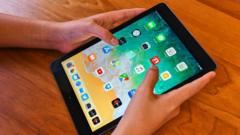
Apple has implemented price adjustments for its MacBook laptops and iPad tablets worldwide, citing an unprecedented surge in the cost of memory and storage components. The technology giant stated that the electronics industry is grappling with an “extraordinary surge” in demand for chips, primarily driven by the expansion of AI data centers.
The company noted an “unprecedented challenge” and emphasized that it has “never seen a component price increase this much, this quickly.” While iPhones have not been included in these price hikes, analysts suggest that the “AI boom is now affecting consumer electronics.”
Impact on Consumers and the Industry
Some MacBook and iPad models have seen price increases of nearly 20%. For instance, the MacBook Pro with 1 terabyte of storage in the US now costs $1,999, up from $1,699. In the UK, the Neo, Apple’s entry-level laptop, increased from £599 to £699 shortly after its release.
Apple stated, “We have shielded our customers from these increases so far, but we have now reached a point where we need to begin raising prices on a number of products, including today’s increases for iPad and Mac.”
Industry experts, including Paolo Pescatore, a tech analyst, highlighted that these actions underscore the challenges even for major technology companies. “This is a significant moment because even Apple, with its scale and buying power, is no longer immune to the rising cost of key components,” Pescatore explained.
Broader Market Trends
The price increases by Apple follow similar moves by other firms adjusting device costs to absorb rising hardware expenses. Much of the increased pricing for memory and storage components, particularly RAM, is linked to the proliferation of data centers required to power the growing demand for artificial intelligence capabilities. This has created an imbalance between supply and demand, leading to higher costs across the board.
David Naranjo of Counterpoint, a market research firm, anticipates that other PC and tablet manufacturers will likely follow Apple’s lead. He suggested that competitors might raise prices on select items, reduce discounts on more affordable models, or reposition their product lines to focus on premium devices.
Dipanjan Chatterjee, a vice president and principal analyst at Forrester, believes that Apple’s dedicated customer base will likely accept the price adjustments with minimal negative feedback. “If anyone can survive a price increase with minimal blowback, it’s Apple,” Chatterjee commented.
Earlier hints about potential price changes came from Apple’s outgoing chief executive, Tim Cook, who indicated in June that price increases were “unavoidable” due to the “unsustainable” situation surrounding memory chips. Cook emphasized the need for memory pricing and supply to stabilize at reasonable levels for consumer products.
“We definitely need memory pricing and supply to return to reasonable levels for consumer products. That’s the bottom line,” Tim Cook told the Wall Street Journal.
The escalating costs have affected numerous companies and products across the technology sector, including PCs and gaming consoles. Recently, Valve, a gaming company, adjusted the price of its Steam Machine, and Nintendo also announced a price increase for its Switch 2.
Source: Apple hikes MacBook and iPad prices, blaming rising chip costs