
Worsening Conditions in Annexed Crimea
Residents of Russian-occupied Crimea are grappling with severe fuel shortages and power blackouts as Ukraine escalates its efforts to cut off the region, which Russia annexed in 2014. Public fuel sales have been suspended, and power outages are becoming more frequent, according to recent reports.
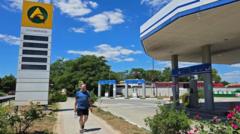
A local resident expressed frustration, stating that petrol stations have fuel but are not selling it to the public. This situation follows a decree from Russian-installed leader Sergei Aksyonov, reserving fuel primarily for government services. In Sevastopol, Crimea's largest city, one resident reported purchasing a backup generator only to find no petrol available to power it. Authorities in Sevastopol have also restricted public transport, shops, and cafes to daytime operations, with streetlights remaining off at night.
Economic Impact and Public Reaction
Even before the complete halt of fuel sales, prices had surged in Crimea, with one resident noting a 50% increase in petrol costs compared to the average in Russia. The escalating crisis has triggered panic buying in shops, with reports of essential goods like sugar being unavailable. The uncertainty is causing significant concern among residents regarding daily commutes and overall living conditions.
Videos shared on social media prior to the sales ban depicted extensive queues at petrol stations, with many residents unable to fill their vehicles. Some expressed resignation, while others, including Russian tourists, highlighted the complete lack of fuel, with some even bringing their own supplies from Russia.
Ukraine's 'Logistics Lockdown' Strategy
Ukraine's intensified campaign aims to disrupt Russian military supplies by targeting key bridges and logistical routes. This strategy, termed a "logistics lockdown" by Ukraine's defense minister Mykhailo Fedorov, utilizes AI-enabled drones to strike targets up to 200km from the front line. Satellite imagery and drone footage verified by BBC Verify show multiple attacks on at least six bridges in June, including the Chonhar road and rail bridges in north-eastern Crimea. Russia has responded by installing temporary pontoon bridges, which have led to bottlenecks and subsequent Ukrainian strikes on these vehicle backlogs.
Since the 2022 strike on the Crimean bridge, the M14 highway in occupied southern Ukraine has served as the primary route for fuel deliveries to the peninsula. Ukraine's drone attacks have successfully disrupted these deliveries. Additionally, other crucial logistical routes, such as the highway connecting Mariupol to Donetsk and transport corridors around Luhansk, have been targeted.
Broader Impact on Occupied Territories
The fuel crisis is also affecting Russian-occupied territories in eastern Ukraine, which previously faced water shortages due to the destruction of the Siverskyi Donets river pipeline in 2022. A Donetsk resident reported that water is available only once every three days, petrol is scarce and expensive, and drinking water must be purchased. While there isn't a mass exodus, the situation is particularly dire for vulnerable populations, including the elderly, children, and those in refugee accommodation centers.
Despite the increasing danger and cost of Russian supply routes to Crimea, they have not been entirely severed. Analysts suggest that Ukraine's targeting of bridges may pose a greater long-term threat than road strikes. Russian Deputy Prime Minister Alexander Novak acknowledged the challenging situation but stated it was under control, with Moscow prioritizing Crimea and border areas. Russia has already halted petrol and jet fuel exports and is considering a complete ban on diesel exports.
Source: No fuel for sale as Ukraine's blockade of Russian-occupied Crimea takes effect