
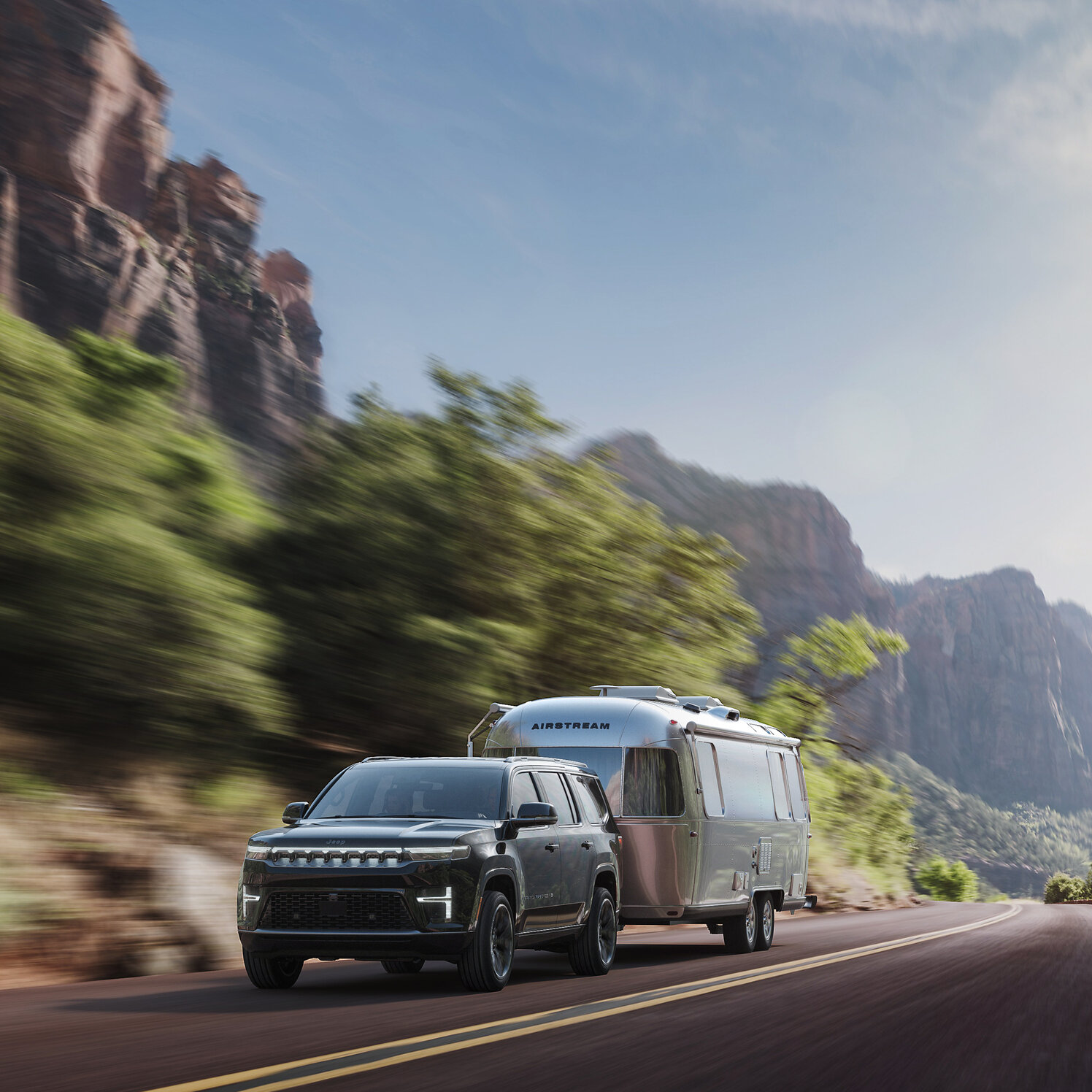
The Rise of Super-Hybrids
The automotive industry is on the cusp of introducing a new class of vehicles designed to combine the environmental benefits of electric cars with the practical advantages of traditional gasoline engines. These extended-range electric vehicles, often dubbed 'super-hybrids,' are expected to become available in showrooms in the near future, offering a solution to one of the primary hesitations many consumers have about fully electric cars: 'range anxiety.'
Addressing Consumer Needs
For many potential buyers, the concern about an electric vehicle's limited range and the availability of charging infrastructure has been a significant barrier to adoption. Extended-range electric vehicles aim to bridge this gap by providing an electric powertrain for daily commutes and shorter trips, coupled with a small, efficient gasoline engine that can generate electricity to extend the vehicle's range when needed. This setup allows drivers to enjoy the quiet, emissions-free operation of an EV for most driving, while still having the flexibility for longer journeys without the worry of running out of power.
Economic and Lifestyle Benefits
Beyond addressing range concerns, these new super-hybrids are also projected to offer economic benefits. By primarily running on electricity, owners could see reduced fuel costs. Furthermore, the versatility of EREVs is expected to appeal to a broad segment of the American population, including those who value adventure and require a vehicle capable of diverse travel scenarios. The blend of electric efficiency and gasoline-powered reassurance could make these vehicles an attractive option for a wide range of lifestyles.