
Warsh's Approach to Monetary Policy Guidance
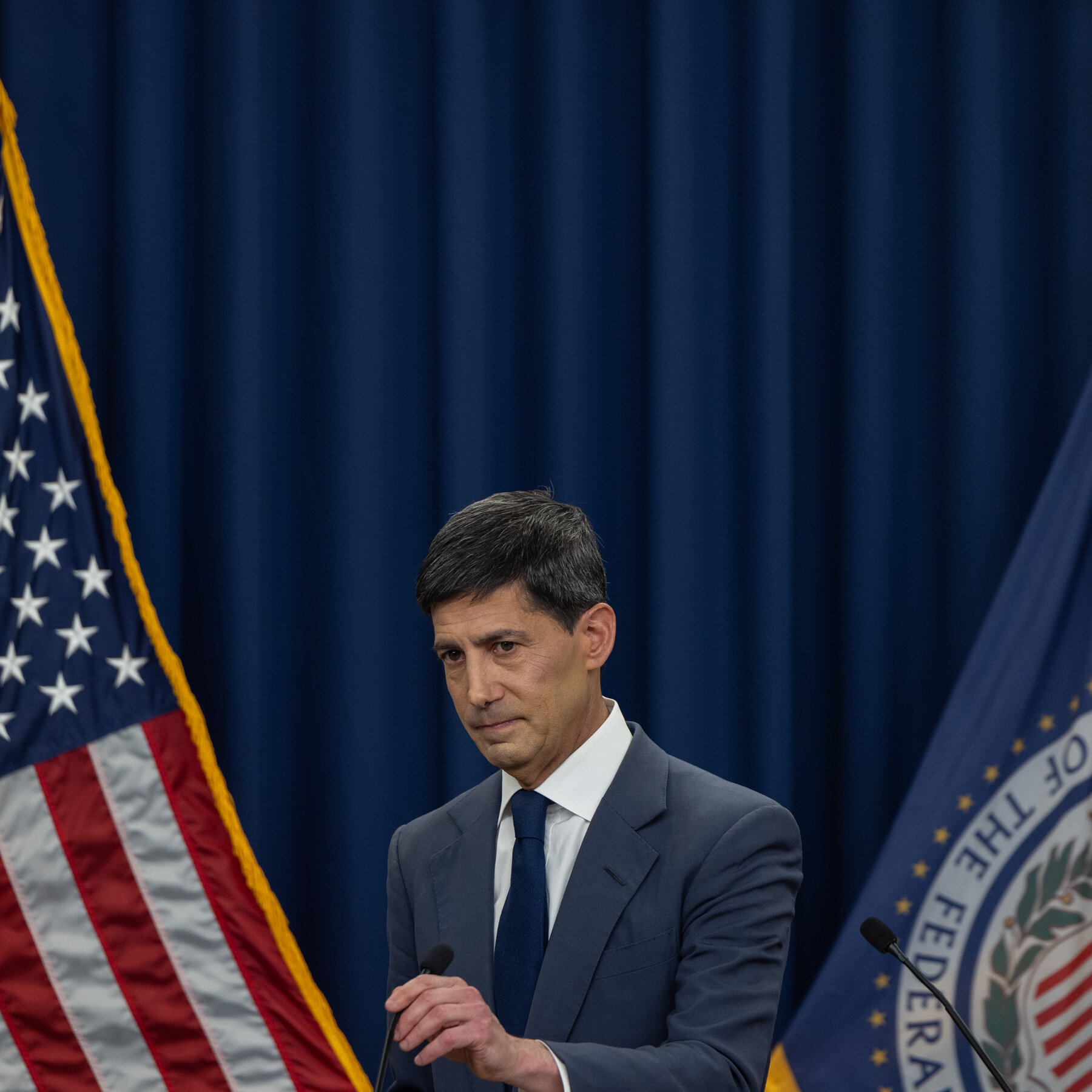
In his inaugural session as the chairman of the Federal Reserve, Kevin Warsh departed from the practice of offering explicit forward guidance regarding monetary policy. This shift in communication strategy marks a notable change in how the central bank interacts with financial markets and shapes expectations.
Market Response to Limited Signals
The decision by Chairman Warsh to refrain from providing detailed indications about future policy moves immediately influenced investor behavior. Financial markets reacted by significantly increasing their speculation on an upward trend in borrowing costs. This suggests that market participants interpret a lack of clear guidance as a signal for potential tightening of monetary policy, or at least a greater degree of uncertainty regarding its future direction.
The absence of explicit policy guidance from the Federal Reserve can lead to heightened market speculation and adjustments in investment strategies, particularly concerning interest rate expectations.
The implications of such a strategy are multifaceted. While some argue that less guidance could foster greater market independence and reduce reliance on the Fed's pronouncements, others contend that it might introduce unnecessary volatility and make it harder for businesses and consumers to plan for the future. The balance between transparency and strategic ambiguity remains a central debate in central banking circles.
Source: Original Article