
Unprecedented Halt in World Cup Play
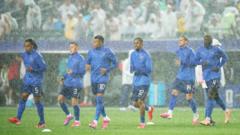
A World Cup encounter between France and Iraq in Philadelphia experienced an unexpected and prolonged interruption, as adverse weather conditions led to a two-hour delay. The match, which began at 5:00 PM local time, did not conclude until 8:47 PM, leaving players, coaches, and the 68,344 spectators in Philadelphia Stadium enduring a mentally and emotionally taxing evening.
The stoppage occurred at half-time, with France holding a 1-0 lead. Heavy rain and the threat of thunderstorms prompted Canadian referee Drew Fischer to halt play at 5:49 PM. The game eventually resumed at 8:00 PM, after safety concerns were addressed.
Player and Coach Reactions to the Delay
French captain Kylian Mbappé, who scored twice in his 100th international appearance to secure France's 3-0 victory and a spot in the knockout stages, described the experience as highly demanding. "It's emotionally and mentally draining because we had to stay fully focused and engaged in the dressing room," Mbappé stated. He emphasized the difficulty of maintaining concentration for nearly two hours while waiting for play to resume.
France manager Didier Deschamps light-heartedly remarked about playing cards during the delay, before confirming that the team simply waited, with restart times constantly shifting. He acknowledged the importance of safety, stating, "You cannot fight against the rain and lightning. It was important to take no risks."
Iraq's Australian head coach, Graham Arnold, also noted the challenge. "It's the first time I have experienced it as coach or a player," Arnold said, attributing a second-half defensive error to the mental toll of the long break. He used the time to review first-half footage with his players, aiming to help them relax and prepare for the restart.
Safety Protocols and On-Field Preparations
This incident marked the first time in 42 matches at this World Cup that a game was stopped due to weather. FIFA defers to local authorities for weather-related decisions, and in the United States, recommendations from the National Oceanic and Atmospheric Administration (NOAA) are followed. NOAA guidelines mandate a game stoppage if lightning is detected within eight miles of the stadium.
During the extended interval, spectators were advised to seek shelter in the stadium concourses. When the all-clear was finally given, fans, many in ponchos, returned to the stands, creating a renewed atmosphere. France defender Jules Kounde mentioned that players engaged in cycling to stay active and discussed strategy while awaiting the pitch to be cleared of standing water by ground staff using squeegees.
Impact and Broader Implications
Former Scotland winger Pat Nevin, commenting for BBC Radio 5 Live, suggested that the break unexpectedly benefited the French team, who "cruised it for the rest of the game." However, he also noted the potential disruptions to post-match routines concerning rehydration and nutrition for the players.
The delay also affected broadcast schedules, with BBC One's coverage temporarily shifting to the BBC News channel before resuming live match commentary for the restart.
Edu Rubio, assistant head coach at Sporting Kansas City and former West Ham assistant, offered insights into how teams typically handle such delays. He explained that protocols often involve players relaxing, changing into comfortable clothes, and engaging in light activities like cycling, stretching, or even football-tennis to maintain focus and alleviate boredom. However, he admitted that a delay exceeding 45 minutes presents a significant challenge for keeping players engaged.
Source: What France & Iraq did during 'mentally draining' two-hour weather delay