
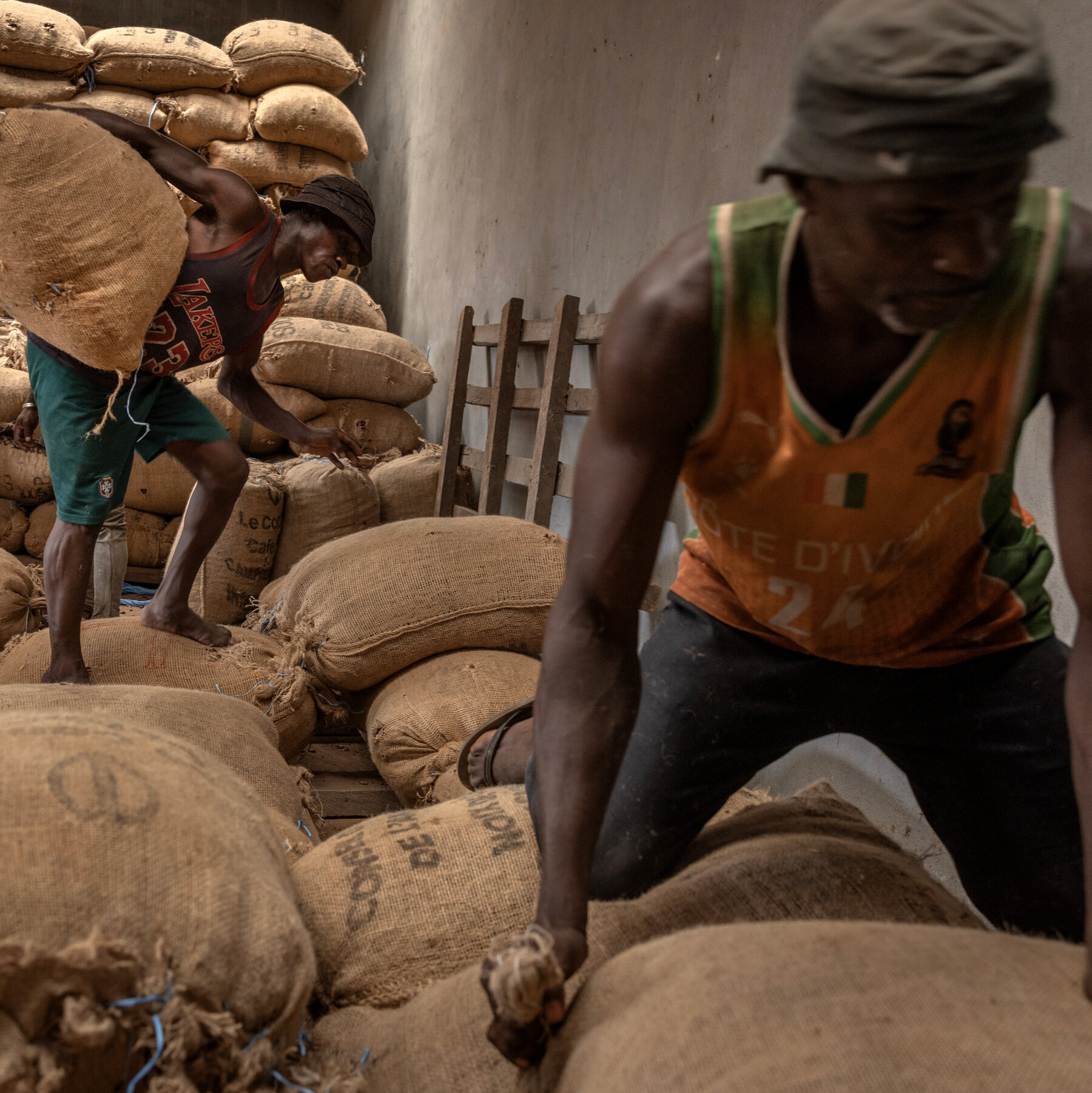
Economic Pressures Endure for Farmers in Developing Nations
Even with potential resolutions to geopolitical flashpoints, the economic repercussions for agricultural communities in less affluent countries are expected to persist, according to recent analyses. The challenges faced by farmers in regions like Ivory Coast highlight how global events can translate into sustained local hardships.
The Strait of Hormuz and Global Commodity Prices
The Strait of Hormuz, a crucial maritime chokepoint, plays a significant role in international trade, particularly for oil and gas. While its unimpeded operation is vital for global commerce, its reopening, in the context of ongoing conflicts, may not immediately alleviate the financial strain on vulnerable agricultural sectors. The initial shockwaves from disruptions, which led to elevated prices for essential commodities, tend to have a lasting effect.
Impact on Fertilizer, Food, and Fuel Costs
Farmers in countries such as Ivory Coast have been grappling with significantly higher input costs for an extended period. The price increases for fertilizers, a critical component for crop yield, coupled with inflated fuel expenses for machinery and transportation, have severely eroded profit margins. Furthermore, the ripple effect extends to the cost of food itself, impacting both producers and consumers within these nations. The complexity of global supply chains means that even if a specific trade route becomes fully operational again, the broader market dynamics that have driven up prices may take considerable time to stabilize.
Source: Original Article