
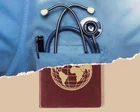
Foreign Doctors Vital to Underserved Communities
The role of internationally trained medical professionals in addressing healthcare disparities across the United States is increasingly under scrutiny, particularly in light of evolving immigration policies. Many foreign doctors are critical to providing care in regions struggling with physician shortages, often due to visa requirements that mandate service in such areas.
A Case Study in West Virginia
One such example is 'Ali', a doctor from Afghanistan who has been serving patients in West Virginia since 2020. His visa status obliges him to work in communities or hospitals that are medically underserved. Colleagues describe Ali as an exceptional physician, particularly valuable in a state grappling with significant health challenges, including elevated cancer rates and lower-than-average life expectancies. Ali, who is in his late 30s, currently practices at a major hospital in a coalfield region and aspires to specialize in treating cancer and other diseases in the future.
The Broader Implications
The potential departure of doctors like Ali, driven by stricter immigration enforcement, could have far-reaching consequences for American healthcare. Rural and low-income communities, which often rely heavily on foreign-born medical staff, stand to lose access to essential services. This situation underscores a broader debate about how immigration policy intersects with public health needs, especially in areas already facing a scarcity of medical professionals.
Source: Original Article