
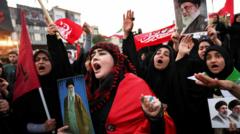
Iran's Farewell to Khamenei: A Message of Resistance and Defiance
The three-day period of public mourning in Tehran for the deceased supreme leader culminated in a significant demonstration designed to convey a specific message to the international community. The funeral procession, featuring the coffins of Ayatollah Ali Khamenei and four family members, traversed a 10-kilometer route, frequently pausing due to the massive turnout of mourners, marking one of the largest public gatherings in recent history.
Amid the choreographed ceremonies emphasizing resistance and revenge, many chose not to attend, citing the impact of recent wars, soaring inflation, and the repercussions of anti-government protests earlier in the year. Some citizens attribute the harsh security measures, which resulted in numerous casualties, to Khamenei's leadership.
Footage from the event showcased a major Tehran thoroughfare filled with loyalists chanting slogans against the United States and Israel. Iran's President Masoud Pezeshkian countered allegations of insincerity in the mourners' grief, as suggested by US President Donald Trump.
The mourning events extended to key Shia Muslim sites, culminating in a final burial at the Imam Reza Shrine in Mashhad. Observers noted the ceremonies' intent to portray Khamenei as a figure of both national and religious significance.
The funeral procession featured a truck carrying five caskets, including that of Khamenei's young granddaughter, who perished in a joint Israeli-American airstrike. The event was characterized by symbols of martyrdom and calls for vengeance, with posters targeting President Trump visible to the international media present.
Despite the strong messages, some government officials downplayed the rhetoric as ritualistic. However, they acknowledged the genuine anger among hardliners who oppose recent diplomatic engagements with the United States.
As Iran's leadership confronts economic challenges, the new administration must continue negotiations to relieve sanctions and secure financial relief. Meanwhile, some mourners conveyed their skepticism to visiting media, expressing the belief that recent protests represented the true revolutionary voices.
The transition to the leadership of Mojtaba Khamanei, who remains absent from public view due to threats and recent injuries, marks a new chapter for Iran. Organizers of the funeral aimed to project strength and resilience, notably through the installation of a large statue symbolizing defiance in Tehran's Revolution Square.
Source: Original Article