
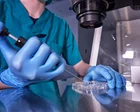
Lack of Evidence for Many IVF Ancillary Treatments Highlighted
The majority of supplementary treatments frequently offered to individuals undergoing in vitro fertilization (IVF) to enhance their chances of conception are not supported by reliable scientific evidence, may not improve fertility, and could represent an unnecessary financial burden, according to a significant new study. The past few years have seen a notable increase in the availability of these additional procedures, medications, or techniques, often marketed with strong claims about their potential to boost IVF success rates.
The adoption of these 'add-ons' is widespread, with over 70% of IVF patients in regions such as the UK, Australia, and New Zealand reportedly opting for one or more of these extra treatments during their IVF journey.
Common IVF Add-Ons Examined:
- Acupuncture: Involves placing fine needles into specific points on the body.
- Corticosteroids: Medications designed to reduce inflammation and modulate immune system activity.
- Endometrial Receptivity Testing: A biopsy of the uterine lining to analyze gene expression patterns.
- Intralipid Infusion: An intravenous administration of a fat-containing liquid.
- Intraovarian Injection of Platelet-Rich Plasma: Involves injecting platelet-rich plasma directly into the ovaries.
- Intrauterine Infusion of Platelet-Rich Plasma: The insertion of platelet-rich plasma into the uterus.
- Pre-implantation Genetic Testing for Aneuploidy (PGT-A): A screening test to determine if embryos possess the correct number of chromosomes.
The extensive evidence review found that while some treatments showed very limited potential, most lacked conclusive support. For instance, EmbryoGlue, an embryo transfer medium containing hyaluronic acid, was noted to potentially increase pregnancy and live birth rates, though its effect on live birth rates was deemed not robust. Endometrial scratching, a minor procedure that involves disturbing the uterine lining, also showed some indication of increasing pregnancy and live birth probabilities.
Physiological intracytoplasmic sperm injection (PICSI), a technique for selecting sperm based on their ability to bind to hyaluronic acid, presented weak evidence suggesting it might reduce the risk of miscarriage. However, for many other popular add-ons, the review concluded that there was insufficient evidence to justify their use or that they offered no demonstrable benefit.
Source: Original Article