
'The Agency' Explores the Psychological Toll of Espionage
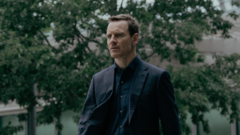
The Paramount+ thriller series, 'The Agency,' returns for its second season, featuring Michael Fassbender, Richard Gere, and Katherine Waterston. The show, based on the French drama 'The Bureau,' focuses less on action and more on the profound psychological impact of maintaining deep-cover identities for years. Fassbender, who portrays veteran CIA operative Martian, highlights the series' dedication to exploring the isolation and loneliness inherent in the espionage world, akin to the works of John le Carré.
The first season's measured pace, which prioritized character development over explosive sequences, garnered mixed reactions from critics. While some praised its 'intelligence and realism,' others found it slow. The New York Times lauded its portrayal of what it's like 'to love a liar,' observing the ambiguity of Martian's true intentions. Conversely, The Guardian described the show as 'slow and ambling.'
Fassbender defends the series' deliberate pacing, stating it reflects the 'reality of what this world is.' He notes that the slow burn allows for characters and plotlines to gradually intertwine, creating a 'quiet anxiety and tension' rather than relying on overt action, though he hints at more action in the second season.
The Enduring Fascination with Spies and Their Sacrifices
Fassbender suggests that audiences are drawn to spy thrillers due to their insight into the individuals who enter and exit such a demanding profession. He contrasts Martian's eroded moral compass after two decades of service with the idealism of a newcomer, illustrating the heavy personal sacrifices involved.
Katherine Waterston, who plays Naomi, Martian's former handler, believes 'The Agency' resonates with contemporary concerns about trust and truth. She points to the increasing difficulty of discerning reality, particularly with the rise of AI. Waterston expresses concerns about the societal implications of AI, advocating for greater regulation akin to other consumer products. Fassbender echoes these sentiments, highlighting the unknown potential and risks of AI, especially in the wrong hands.
Navigating Misinformation in the Digital Landscape
Both actors agree that the themes of deception in 'The Agency' are made more relevant by the current landscape of misinformation and AI. Fassbender admits to sometimes falling for online misinformation, relying on his wife, actress Alicia Vikander, to help him fact-check information. He emphasizes how the nature of trust has shifted, making it challenging to differentiate truth from falsehoods online.
Actors' Personal Lives vs. Their Fictional Spy Roles
Despite their convincing portrayals, both Fassbender and Waterston concede they would be ill-suited for actual espionage. Waterston humorously states the entire cast reached this conclusion. Fassbender cites the immense personal sacrifices required, particularly the difficulty of maintaining balanced relationships and the potential loss of one's own identity when adopting a 'legend' persona for deep cover.
While recognizing the challenges of their own acting careers, such as long hours and balancing work with family, they acknowledge these pale in comparison to the demands of a spy's life. 'The Agency' season 2 premiered on June 21 on Paramount+.
Source: Michael Fassbender says it is becoming harder to know what to trust online