
Video Installation Withdrawn After Controversy
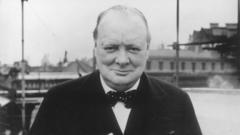
A video installation by artist Helen Cammock at the National Portrait Gallery in central London has been removed from display. The removal follows a dispute regarding the work's depiction of Sir Winston Churchill's involvement in the 1943 Bengal famine.
The 40-minute video, titled 'Persistence,' included a narration that referred to "the wilful starvation of the Indian population by Winston Churchill." This specific statement drew criticism, prompting an open letter to the gallery signed by over 50 peers, including Churchill's grandson, Sir Nicholas Soames. The letter, initiated by Churchill biographer Lord Roberts of Belgravia, contended that the portrayal was inaccurate.
Artist's Stance and Gallery's Response
Helen Cammock, a Turner Prize-winning artist, stated that her decision to remove the work was her own. She emphasized the importance of artists and institutions resisting external pressure to remain silent or benign. Cammock asserted that questioning, challenging, and exploring ideas and histories are crucial for a healthy society, with art playing an intrinsic role.
The National Portrait Gallery confirmed Cammock's decision to withdraw her film. The gallery stated: "We respect her decision, just as we acknowledge the opinions of those who were offended by what was said in the film." It clarified that the project aimed to provide artists with an opportunity for personal and creative responses to the collection, presenting the work as an artistic piece rather than a documentary. The gallery also noted that the views expressed in the film do not necessarily reflect those of the NPG, while recognizing both the legacy of those portrayed and artistic expression.
"There is an incredible pressure on artists and arts institutions to bend to external pressure; to be benign at best and silent at worst. I do not accept this pressure. To question, challenge and explore ideas and histories is vital to a healthy society and art is intrinsic to this." - Helen Cammock
Historical Context and Debate
Cammock's installation, which had been on temporary display for ten months as part of the 'Artists First: Contemporary Perspectives on Portraiture' exhibition, also explored Oliver Cromwell's 17th-century military campaigns in Ireland. She drew parallels between Cromwell's actions of mass starvation and Churchill's role in the Bengal famine.
The 1943 Bengal famine led to an estimated three million deaths in eastern India. The extent and nature of wartime British Prime Minister Churchill's responsibility for the famine have long been a subject of academic debate. Lord Roberts of Belgravia argued that the famine was primarily caused by a typhoon and that Churchill directed efforts to provide aid, requesting international grain shipments. Conversely, some historians and academics contend that Churchill's policies and priorities contributed to the severity of the famine.
The controversy garnered significant media attention, and a member of the public had also lodged a complaint directly with the gallery, which initially defended the work as the artist's personal reflections.
Source: National Portrait Gallery display withdrawn after Churchill row