
The High-Stakes World Cup Marketing Arena
The World Cup, a pinnacle event in global sports, serves as a significant battleground for major sportswear brands like Nike and Adidas. Beyond the on-field competition, these companies vie for consumer attention and market share, investing heavily in elaborate advertising campaigns and strategic activations.
Star Power in Advertising
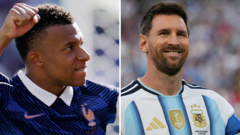
Both Nike and Adidas have launched cinematic World Cup advertisements featuring a roster of elite athletes and celebrities. Nike's 'Rip the Script' campaign includes names such as Kylian Mbappe, Erling Haaland, Cristiano Ronaldo, and LeBron James. Adidas's 'Backyard Legends' counters with Lionel Messi, Jude Bellingham, Lamine Yamal, and even an AI-generated David Beckham. Reports suggest Adidas's advertisement alone cost an estimated £50 million, underscoring the massive financial commitments involved. While specific budgets remain undisclosed, the expenditure for both brands is believed to be in the tens of millions.
Early metrics from YouTube views indicate a significant lead for Nike, with its ad accumulating 76 million views compared to Adidas's approximately seven million at the time of reporting.
Camilo Andrade, Vice-President and General Manager of Nike Global Football, highlighted the evolving nature of digital culture. He stated that the traditional model of a single polished film is no longer sufficient. Nike's approach with 'Rip The Script' aims to create a broader 'football universe' that encourages fan interaction, interpretation, and remixing, moving beyond conventional advertising into football culture itself.
Florian Alt, Vice-President of Marketing Communications, Brand and Performance at Adidas, explained that their 'Backyard Legends' campaign taps into a familiar football narrative – local pitches and legendary stories. He emphasized meeting consumers where they are, whether through television, social media, or broader cultural engagement.
On-the-Ground Presence: A Tale of Two Cities
In New York City, a key market, Adidas appears to have established a stronger early presence. A comparison of flagship stores in Soho revealed Adidas's store fully immersed in World Cup branding, while Nike's focused on the recent NBA success of the New York Knicks. Beyond their stores, Adidas has deployed extensive World Cup branding across Manhattan, including pop-ups and promotional stands, creating a more palpable sense of the tournament's arrival. Adidas has also successfully integrated football culture into fashion and streetwear, with national team away shirts becoming identity statements, particularly among younger fans from diaspora communities.
The Enduring Impact of World Cup Ads
Sports brand strategist James Kirkham notes the nostalgic power of past World Cup advertisements, comparing them to 'long lost friends' or classic films. He observes the normalization of Hollywood talent in these campaigns, underscoring football's role as a universal connector and a central element of popular culture, intertwining with music, fashion, basketball, gaming, and design.
Kirkham also highlighted the transformative impact of social media, where a 'clip culture' across platforms like Instagram Reels, YouTube Shorts, and TikTok means content is often consumed in fragmented parts rather than as complete narratives.
Kits, Boots, and Player Endorsements
In terms of World Cup kit sponsorships, Adidas holds a slight edge, outfitting 14 national teams compared to Nike's 12, with Puma close behind at 11. Kirkham emphasized that young fans often follow multiple nations and individual players, which directly influences shirt sales. He also pointed out the deep intertwining of football and fashion, with football shirts at the heart of this crossover.
Player endorsement deals, particularly for boots, represent a massive business. Top players secure substantial contracts; for instance, Cristiano Ronaldo's decade-long deal with Nike is reportedly worth nearly $18 million annually.
Beyond the Tournament: Business Objectives
Both brands acknowledge the World Cup's unparalleled global scale and emotional intensity. Adidas's Alt reiterated the tournament's importance while also stressing the brand's commitment to supporting athletes across various sports. Nike's Andrade affirmed football's role as the 'world's clearest universal connector,' noting that billions pause for these moments.
Ultimately, Nike and Adidas are businesses driven by market share and revenue. While the immediate impact of their World Cup campaigns is evident, accurately measuring who sells the most sportswear will only be possible long after the tournament concludes.