
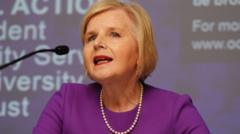
Major Review Highlights Decades of Maternity Care Failures in Nottingham
A comprehensive independent review, led by senior midwife Donna Ockenden, has concluded that hundreds of mothers and babies experienced potentially preventable harm or death due to deeply embedded systemic failures within the maternity units of Nottingham University Hospitals (NUH) NHS Trust. The inquiry, the largest of its kind in NHS history, found that leadership at NUH was aware of significant issues in its maternity department as far back as 2010 but failed to implement effective measures to prevent further harm.
Key Findings from the Inquiry
The review, which commenced in 2022, engaged approximately 2,500 families and over 800 staff members. Experts identified 'potentially avoidable' outcomes in 444 maternity cases and 76 neonatal cases up to May 2025. These cases were graded with 'significant concerns' or 'major concerns' regarding the care provided.
The review team indicated that different care approaches could have altered the outcomes for 260 babies who either died or suffered serious injury. Among these, 155 babies died, and 105 sustained serious injuries, including permanent brain damage, due to substandard care.
Multiple Contributing Factors to Harm
The inquiry determined that adverse outcomes were rarely the result of a single issue. Instead, they were linked to a combination of factors, such as inadequate monitoring of babies, misinterpretation of heart rate monitoring, failure to recognize fetal distress during labor, and insufficient escalation of cases to senior medical staff. Ockenden stated that many existing oversight systems for maternity care were 'no longer fit for purpose.'
A significant criticism was directed at the trust's workplace culture, described as 'bullying and toxic' over many years. Testimonies included instances of women in labor being told to 'pull themselves together' or to 'wait their turn.' Many of these problems, including insufficient staffing and staff inability to complete mandatory training, were reportedly known to the trust since 'at least 2010.'
Concerns Dismissed, Staff Silenced
The review found that concerns raised by women and families were frequently dismissed or minimized, leading to missed opportunities for early intervention. In antenatal care, women often felt unheard, inadequately informed, and unsupported when expressing anxieties, particularly regarding reduced fetal movements or emerging medical complications. Communication support for women whose first language was not English was also found to be insufficient. Staff members reported experiences of racism and 'racist attitudes towards black women labelled too loud, too demanding.'
The 'bullying and toxic culture' within the trust was exacerbated by 'intimidating cliques' of staff who were well-known but not confronted. A belief in the 'Nottingham way' and 'tribalism' among staff groups were also noted. Leadership instability was identified as a major factor affecting the quality and safety of maternity services, with significant turnover in senior maternity leadership between 2017 and 2021. Staff also described a 'culture of organisational denial,' where poor outcomes were often dismissed as 'known complications.'
"What the evidence shows is that at Nottingham, a toxic culture was allowed to take hold and was allowed to persist. A small number of powerful leaders described in both family and staff testimonies as having infected the unit, creating an environment in which bullying was normalised, speaking up was dangerous and governance was shaped by self protection, rather than patient safety." - Donna Ockenden
Failures in Post-Death Care Exacerbated Trauma
The review also identified serious deficiencies in post-death care, including issues related to loss of dignity, poor mortuary processes, ineffective identification systems, and inappropriate communication. These failings contributed to avoidable and long-lasting trauma for bereaved families. Noteworthy incidents included the release of the wrong baby to a funeral director in 2022 and the inadvertent disposal of an early gestation baby as clinical waste in 2019.
Recommendations for Improvement
The review outlined several urgent actions NUH must undertake to address the identified failings, including:
- Urgent improvements to risk management and monitoring systems.
- Strengthening escalation protocols, communication, and safe transfer of care.
- Enhancing neonatal care through improved training to ensure early identification of serious illness.
- Standardizing emergency care and reducing variations in practice, particularly in managing postpartum hemorrhage.
- Improving post-death care and bereavement processes.
Source: BBC News