
Understanding Heatstroke Risks for Dogs
Periods of hot weather can pose significant health risks to dogs, with heatstroke being a serious concern. Various factors can increase a dog's susceptibility, including age (very young or old), underlying health conditions, and coat thickness. Breeds with brachycephalic (flat) faces, such as bulldogs and pugs, are particularly vulnerable due to their difficulty in panting effectively to regulate body temperature.
Recognizing the Signs of Heatstroke
Prompt identification of heatstroke symptoms is vital for a dog's recovery. The PDSA outlines several key indicators:
- Excessive panting
- Drooling or foaming at the mouth
- Confusion or disorientation
- Shaking or tremors
- Weakness and potential collapse
- Vomiting or diarrhea
- Seizures
If these signs are observed, immediate action to cool the dog is necessary. Moving the dog to a shaded area and gently pouring cool (but not ice-cold) water over their body, avoiding the head, can help reduce their temperature. It's important not to use damp towels as these can trap heat. After initial cooling, contact a veterinarian for further guidance and treatment.
Preventing Heat-Related Issues
Preventative measures are essential to keep dogs safe during warm weather:
- Exercise Adjustments: The RSPCA notes that exercise is a primary trigger for heatstroke. Walks should be limited to early mornings or late evenings when temperatures are cooler. Always perform the 'pavement test' – if you can't hold your hand on the ground for five seconds, it's too hot for your dog's paws. Opt for shaded areas and grass whenever possible.
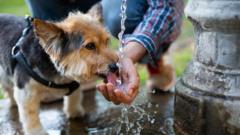
- Hydration and Shade: Ensure pets have constant access to fresh, clean water. Adding ice cubes to their bowl or offering frozen treats can encourage hydration. Shaded areas, both indoors and outdoors, are crucial for pets to escape direct sunlight.
- Cooling Aids: Pet-specific cooling mats and jackets can be beneficial, but always follow product instructions to avoid inadvertently increasing heat. A paddling pool under supervision can also offer a fun way for dogs to cool down.
- Grooming: Regular grooming helps prevent matted fur, which can trap heat and make it harder for animals to regulate their temperature.
- Sun Protection: Dogs, especially those with light-colored fur or thin coats, can get sunburned. Pet-safe, waterproof sunscreen with an SPF of 30 or higher should be applied to vulnerable areas like ears, nose, and belly. Always test a small area first for any adverse reactions.
- Never Leave Pets in Vehicles: Temperatures inside locked cars, conservatories, sheds, or greenhouses can rise rapidly to fatal levels, even on moderately warm days. This practice is extremely dangerous and must be avoided.
Beach Safety for Dogs
For trips to the beach, the Dogs Trust advises several precautions:
- Confirm the beach allows dogs.
- Bring ample fresh water to prevent dehydration and discourage drinking seawater, which can be harmful.
- Check sand temperature and create shade with an umbrella or tent if natural shade is unavailable.
- Supervise dogs near water, especially in strong currents or near cliff edges.
- Rinse off sand and seawater from their fur and paws after leaving the beach to prevent irritation.
By understanding these risks and implementing these preventive strategies, pet owners can help ensure their canine companions remain safe and comfortable during hot weather.