
Evolving Perspectives on the American Revolution
Approaching a quarter-millennium since its inception, the United States finds itself reflecting on the intricate narrative of its founding. Over the past five decades, the prevailing historical account of the American Revolution has undergone substantial reevaluation, leading to a much more nuanced and multifaceted understanding of the figures and events involved.
The Broadening Definition of 'Founders'
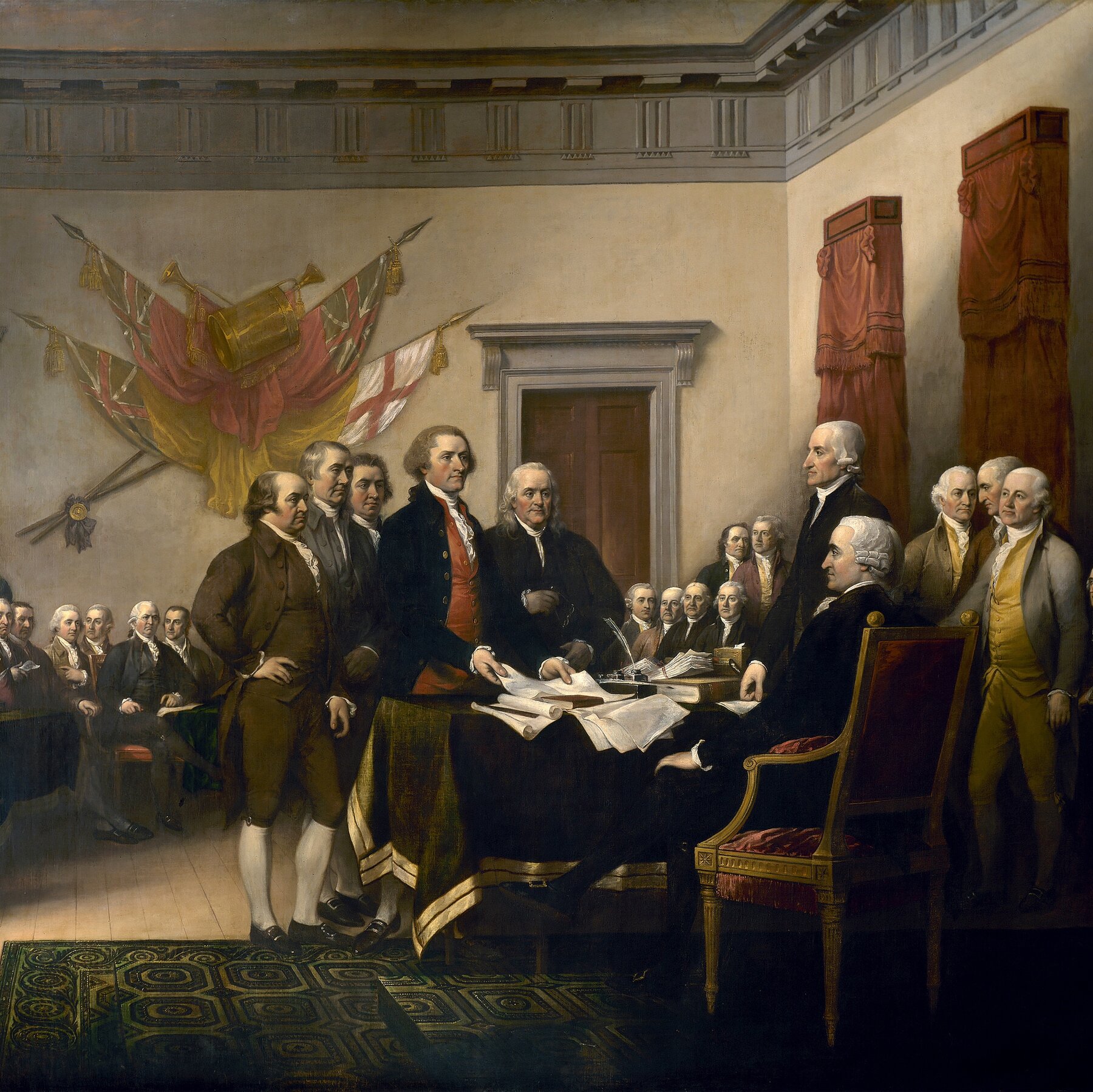
Historically, the term 'Founding Fathers' primarily evoked images of a select group of prominent, often wealthy, white men who signed key documents and led the war effort. However, contemporary scholarship has broadened this perspective significantly. Modern interpretations increasingly acknowledge the diverse contributions of various groups and individuals who played crucial roles, even if their stories were less prominent in earlier historical accounts.
- African Americans, both enslaved and free, who fought on both sides or sought their own liberation.
- Indigenous peoples, whose lands and sovereignty were profoundly impacted by the conflict and the subsequent formation of the nation.
- Women, who managed households, supported the war effort, and began to articulate their own claims for rights and recognition.
- Lesser-known individuals and communities whose localized actions and sacrifices contributed to the larger revolutionary movement.
Complexity and Inspiration in Modern Historical Narratives
This expanded view, while offering a more accurate and inclusive historical record, also introduces complexities to the narrative. The idealized, monolithic image of the Revolution has given way to an understanding of a diverse and often contradictory struggle, marked by both noble ideals and profound compromises.
The challenge for contemporary society lies in reconciling these richer, more intricate historical truths with the desire for a unifying national story. Can a more complex and inclusive narrative of the founding still serve as a source of inspiration for all Americans in the 21st century?
The ongoing dialogue about the Revolution's legacy prompts a deeper engagement with the nation's origins, encouraging a critical examination of its past successes and failures while seeking relevance for its enduring principles.
Source: Looking Back on the U.S.A.’s Many Founders, 250 Years In