
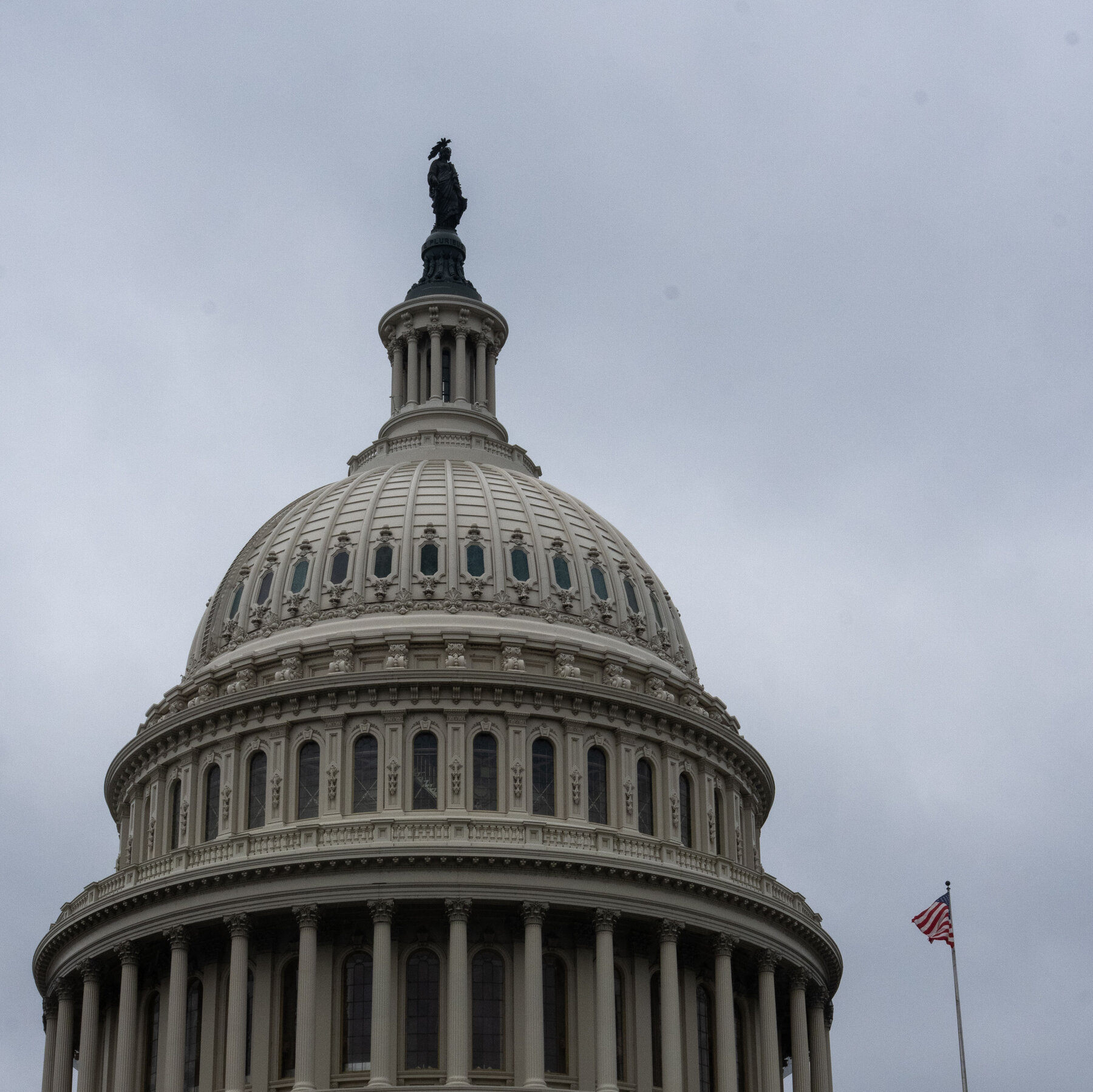
Congressional Oversight on Military Engagements
The United States Senate recently passed a resolution that seeks to restrict the President's authority to initiate military action against Iran without explicit approval from Congress. This legislative move underscores a broader effort by some lawmakers to reassert congressional prerogative in matters of war and peace.
Bipartisan Support for War Powers Resolution
The measure garnered support from both Democratic and a number of Republican senators, indicating a bipartisan sentiment for greater legislative involvement in decisions concerning military engagements abroad. The resolution specifically calls for the President to cease any ongoing military operations targeting Iran unless such actions are sanctioned by a formal declaration of war or specific statutory authorization from Congress.
This vote represents a significant legislative statement regarding the balance of power between the executive and legislative branches on the use of military force. Proponents argue it is a necessary step to ensure that major military conflicts are undertaken with the full consent and deliberation of the American people's representatives.
The debate surrounding such resolutions often centers on the interpretation of the War Powers Act of 1973, which was enacted to ensure that both Congress and the President share in making decisions that may lead the United States into war.
Source: Original Article