
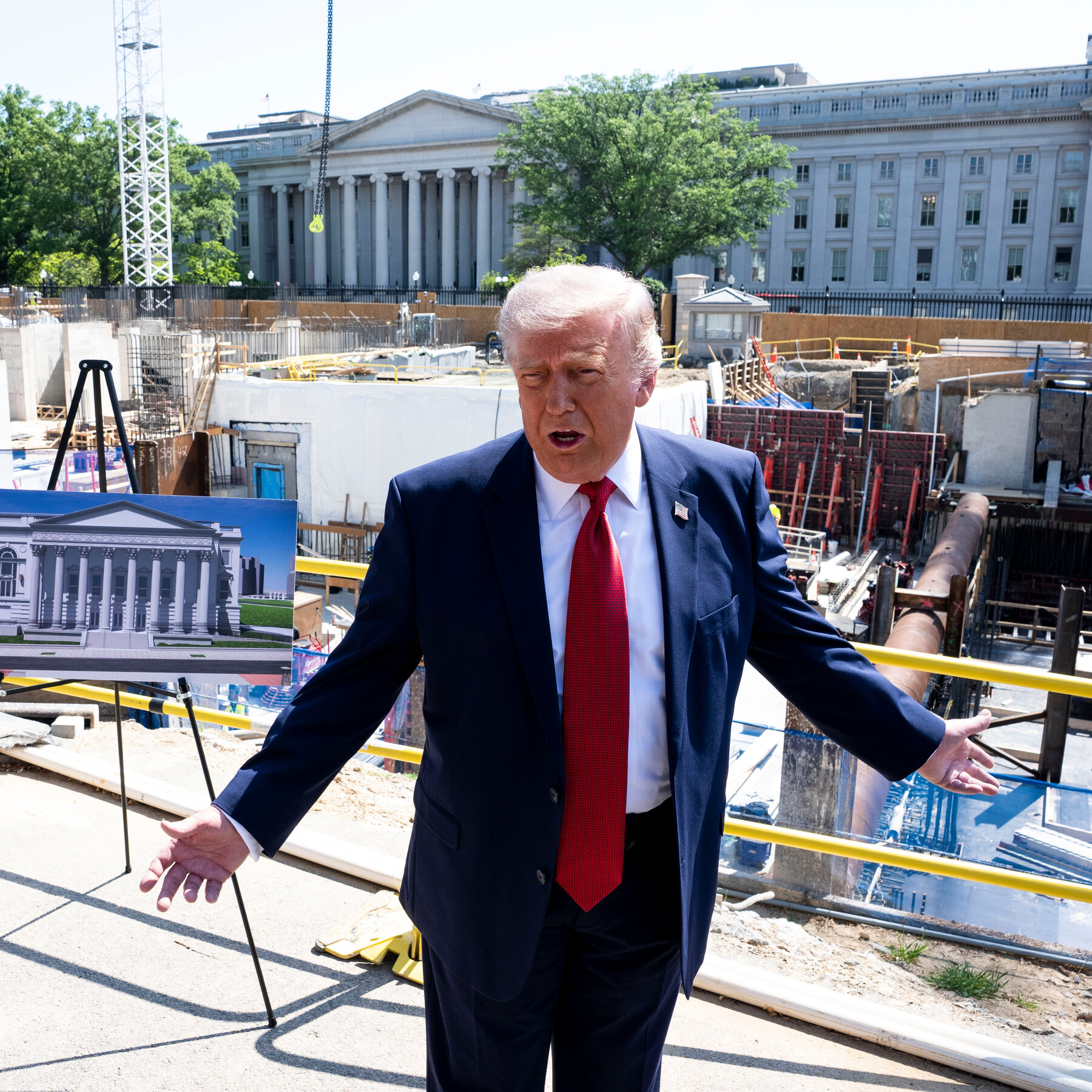
Trump's Influence on Washington D.C.'s Landscape
Donald Trump's tenure and ongoing presence have left a distinct impression on the architectural and political fabric of Washington D.C. Beyond the White House, properties associated with him have undergone significant transformations or become focal points of discussion.
The Old Post Office Building
Perhaps the most prominent example of Trump's direct involvement in D.C.'s real estate is the Old Post Office Pavilion. Reimagined as the Trump International Hotel, this historic landmark became a central hub for his administration and a frequent subject of ethical debates. Its sale post-presidency marked a significant chapter in its history, transitioning from a government-leased property to a privately owned luxury hotel.
Other Notable Properties
- Trump Tower (New York): While not in Washington D.C., Trump Tower in New York City served as a de facto command center during his transition and early presidency, highlighting his preference for operating from his own properties.
- Mar-a-Lago (Florida): This private club in Palm Beach, Florida, became a "Winter White House" during his presidency and continues to be his primary residence and a site for political activity, demonstrating a shift in presidential retreat locations.
- Trump National Golf Club (Virginia): Located just outside Washington D.C., this golf club frequently hosted events and served as a recreational spot for the former president and his associates, intertwining business interests with presidential duties.
Impact on the Capital's Image
Trump's approach to development and branding, often characterized by bold signage and luxury aesthetics, contributed to a particular image during his time in office. His properties became symbols, not just of his business empire, but also of his political brand, drawing both supporters and critics to their doors.
The renovations and rebranding efforts undertaken at these sites reflect a broader theme of his presidency: a fusion of business, politics, and personal branding, which reshaped both the physical and symbolic landscape of the nation's capital and beyond.
Source: Original Article