
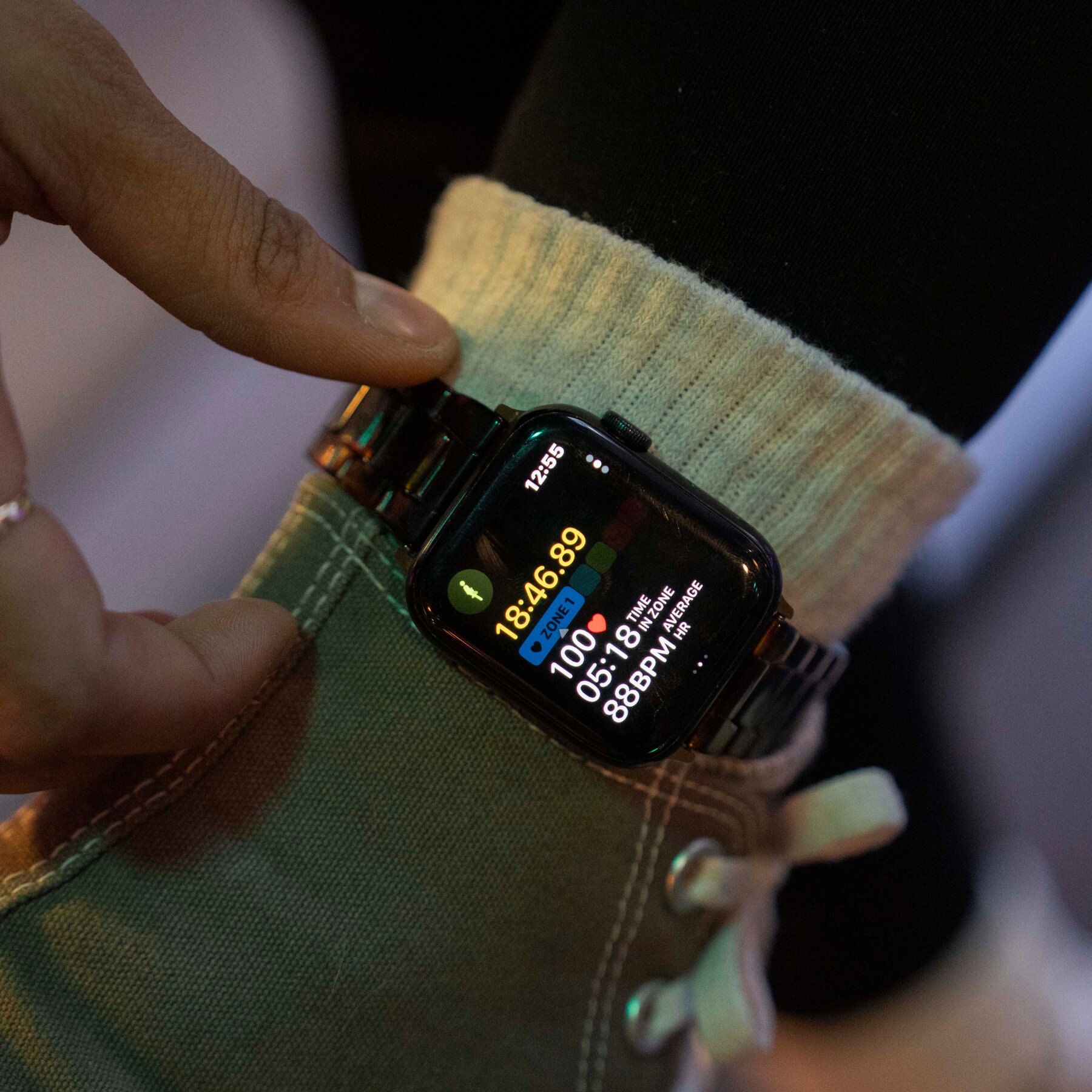
The Promise and Limitations of Health Wearables
In an era where personal health technology is ubiquitous, devices ranging from smartwatches to fitness trackers collect vast amounts of data on individuals' well-being. These wearables offer users a glimpse into various physiological parameters, from step counts and sleep patterns to heart rate and oxygen saturation. However, the sheer volume of information generated often raises questions about its practical utility in a clinical setting.
Distinguishing Data from Clinical Insight
Medical experts emphasize a critical distinction between raw data collected by consumer wearables and information that is genuinely valuable for medical diagnosis and treatment. While these devices can provide a general overview of a person's health status and alert them to potential anomalies, not all metrics are considered equally useful by physicians.
"Wearables can offer rough information about a person’s health, experts say, but only some metrics are medically useful."
Focus on Actionable Metrics
Physicians are typically interested in data that is reliable, consistent, and directly actionable for patient care. This often includes metrics that can indicate significant deviations from a healthy baseline, track the progression of a known condition, or monitor the effectiveness of a treatment. For instance, continuous heart rate monitoring might be useful for patients with certain cardiac conditions, or sleep tracking could offer insights for those experiencing sleep disorders, provided the data is sufficiently accurate and interpreted within a broader clinical context.
The Role of Validation and Integration
For wearable data to become more integral to medical practice, there is a need for greater validation of device accuracy and the development of secure, efficient ways to integrate this information into electronic health records. Without these components, the potential of wearables to revolutionize personalized healthcare may remain largely untapped, serving more as a tool for personal awareness than a cornerstone of medical decision-making.
Source: The New York Times