
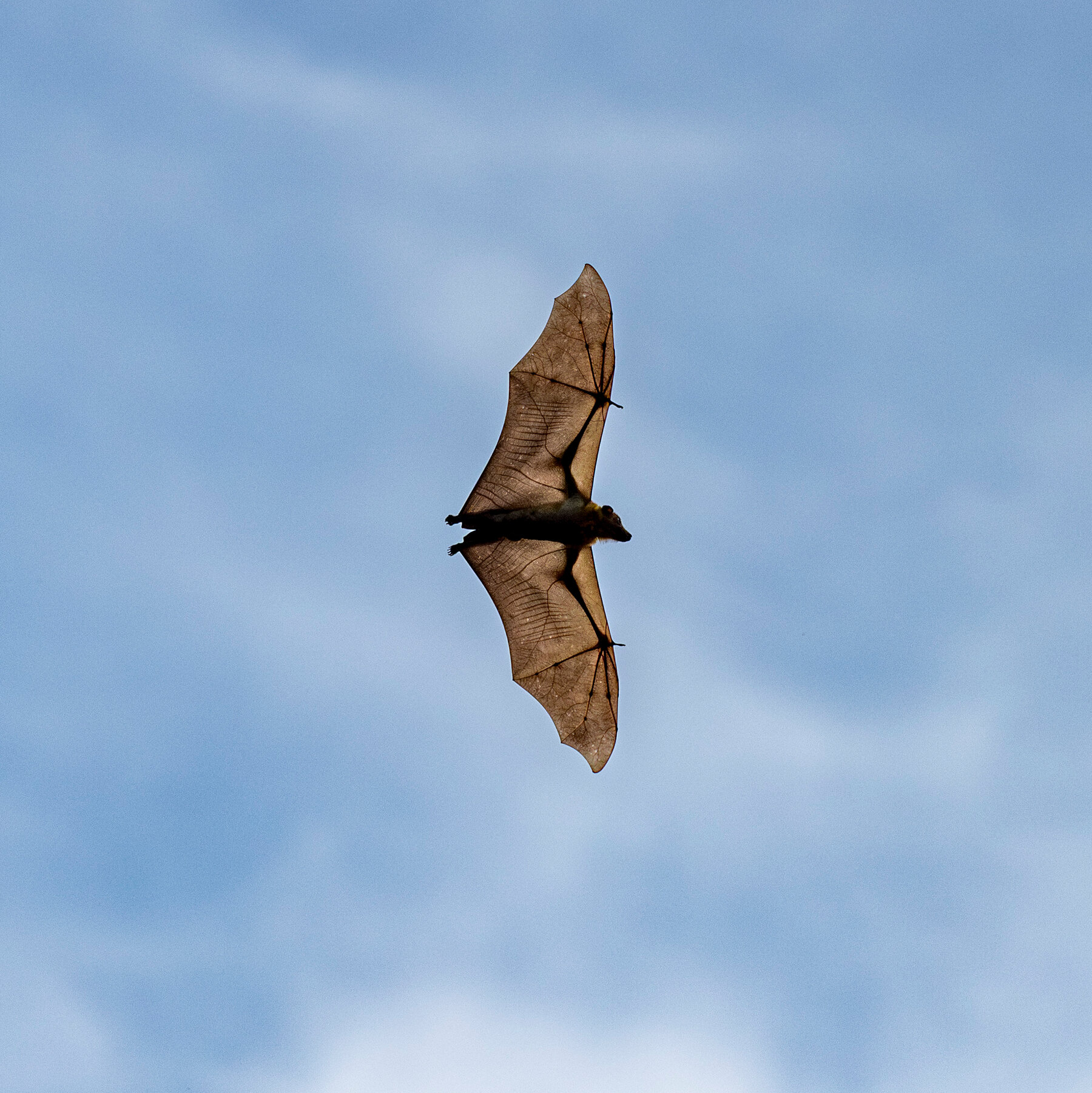
The Elusive Animal Host
The Bundibugyo strain of the Ebola virus continues to pose a significant scientific challenge: identifying its natural host in the animal kingdom. While experts widely agree that the virus resides within an animal species, periodically transferring to human populations, the specific creature responsible for harboring the pathogen remains unknown.
The Search for the Reservoir
Understanding the animal reservoir for viruses like Ebola is crucial for preventing future outbreaks. Such knowledge allows scientists to monitor animal populations, predict potential spillover events, and implement targeted public health interventions. Despite extensive research efforts, the Bundibugyo virus's primary animal carrier has yet to be pinpointed.
Scientists typically investigate various animal groups, including bats, primates, and rodents, as potential hosts for zoonotic diseases. The process involves collecting samples from these animals in regions where outbreaks have occurred and testing them for the presence of the virus or antibodies indicating past infection. The ongoing search for the Bundibugyo virus's reservoir highlights the complexities involved in tracking down the origins of emerging infectious diseases.
Source: Original Article