
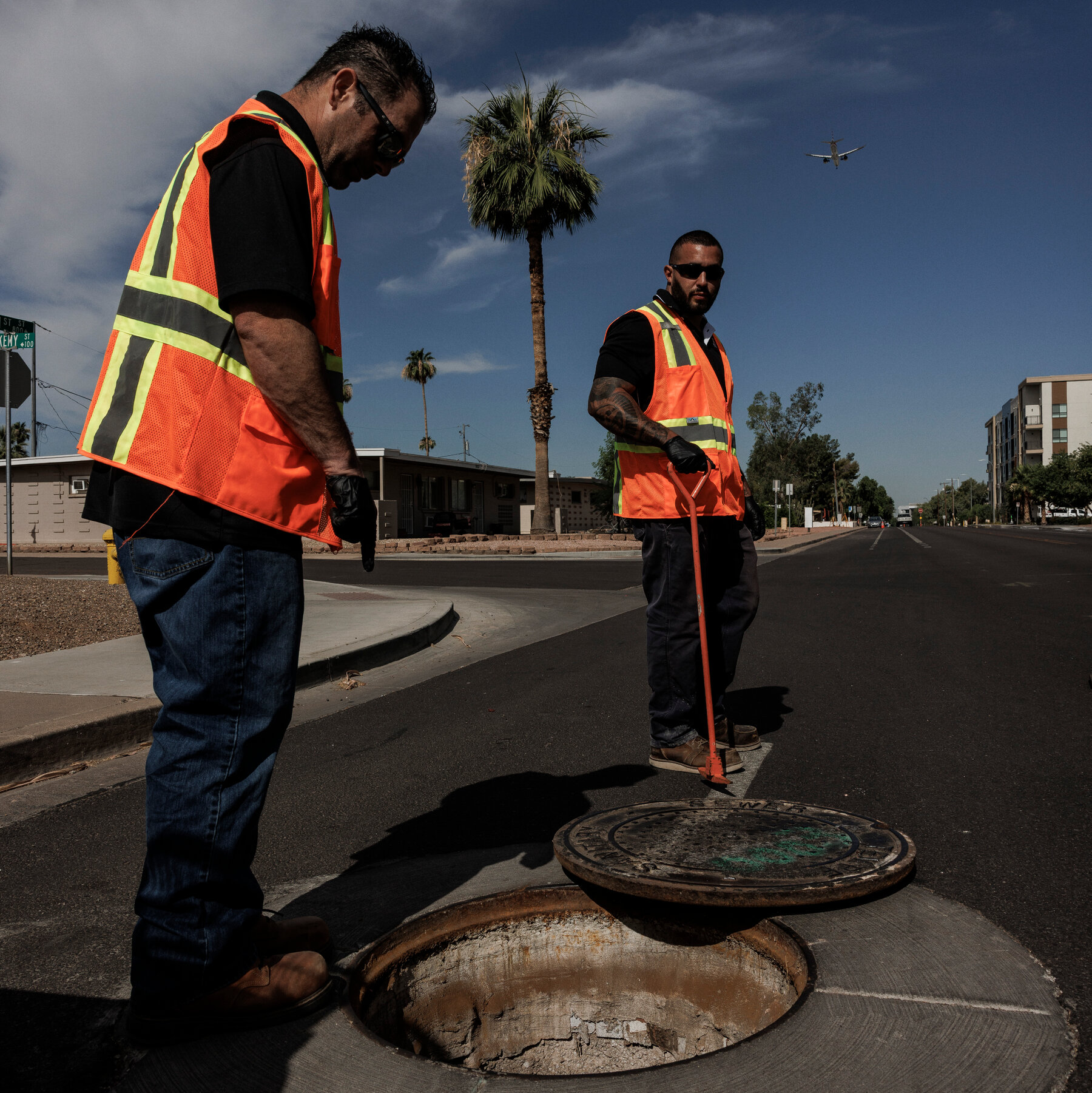
New Approach to Drug Monitoring
An increasing number of municipalities and educational facilities are implementing systems to screen wastewater for indicators of illicit drug consumption. This method, which involves analyzing sewage for drug traces, has recently received an endorsement from the White House, signaling a growing interest in its application as a public health and safety tool.
Debate Over Privacy and Stigmatization
While proponents may view wastewater surveillance as an innovative way to gauge drug trends within communities and inform public health initiatives, the approach is not without its detractors. Critics have voiced significant concerns regarding the potential implications for individual privacy. They argue that monitoring sewage, even if aggregated, could inadvertently lead to the identification of drug use patterns in specific areas or institutions, raising questions about the anonymity of residents and students.
Concerns have been raised that such surveillance efforts could violate privacy rights and potentially lead to the stigmatization of certain neighborhoods or communities, labeling them based on detected drug use.
The debate highlights a tension between public health objectives and civil liberties. As these programs expand, discussions are likely to continue regarding the ethical boundaries of such surveillance and the measures needed to protect privacy while still addressing public health challenges related to drug use.
Source: Original Article